

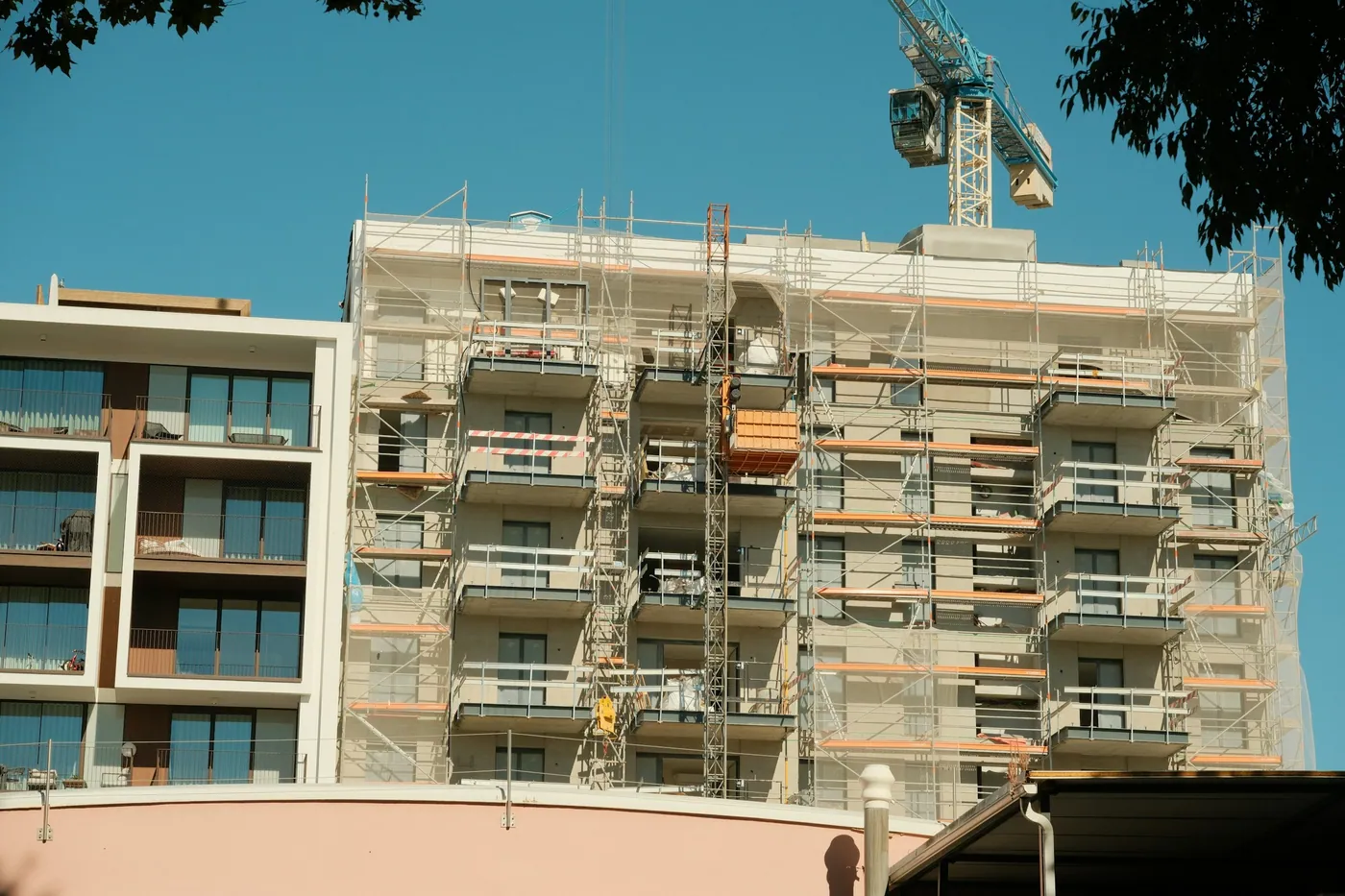
“An owner or owners of a building that is three habitable stories or more in height as determined by the Florida Building Code and that is subject, in whole or in part, to the condominium or cooperative form of ownership as a residential condominium under chapter 718 or a residential cooperative under chapter 719 must have a milestone inspection performed by December 31 of the year in which the building reaches 30 years of age, based on the date the certificate of occupancy for the building was issued, and every 10 years thereafter.”
What changed, and why it matters to a buyer
Before June 2021, a Florida condominium could go decades without a structural inspection, and owners could vote every year to put nothing into reserves. After Champlain Towers South, the Legislature passed a series of laws, in 2022, 2023 and again in 2025, that turned both of those habits into violations. For a buyer, the result is a building that now has to produce a paper trail: an engineer’s report, a funded reserve plan and a set of disclosures you are entitled to see before the contract binds you.
The practical shift is this. A low monthly fee used to look like a bargain. Today it can be a warning that the building has not yet caught up with the law, and that the bill is coming as a special assessment. This guide explains the inspections, the reserve rules, Miami-Dade’s own program, and the exact documents to demand.
Milestone inspections: the state’s structural check
Who must be inspected and when
Section 553.899 of the Florida Statutes requires a milestone inspection for any building that is three habitable stories or more and is subject, in whole or in part, to condominium or cooperative ownership. The 2025 law narrowed the trigger from “three stories” to “three habitable stories,” which took some low-rise buildings with parking levels out of the program.
The clock runs from the certificate of occupancy:
- The first inspection is due by December 31 of the year the building reaches 30 years of age.
- A local building department may require it at 25 years instead, based on conditions such as proximity to salt water. Much of Miami-Dade’s coastline falls in that category, so ask which deadline applies.
- After the first one, the inspection repeats every 10 years.
- Buildings that were already 30 or older before July 1, 2022 had to complete their first inspection by December 31, 2024.
Phase one and phase two
A licensed architect or engineer performs phase one: a visual examination of habitable and non-habitable areas and a qualitative assessment of the structural condition. If that identifies substantial structural deterioration, phase two follows and may involve destructive or non-destructive testing. The owner has 180 days from the local agency’s notice to submit the phase one report, and the statute requires repairs for substantial structural deterioration to begin within 365 days after the phase two report is received.
What the association must do with the report
Within 45 days of receiving a report, the association must send every unit owner the inspector-prepared summary, post it in a conspicuous place on the property and publish the full report and summary on its website. That means a seller or manager who says the report “is not available” is describing a compliance problem, not a paperwork delay.
The Structural Integrity Reserve Study
What a SIRS covers
The second pillar is money. Section 718.112(2)(g) requires a Structural Integrity Reserve Study (SIRS) for residential condominium buildings three habitable stories or higher. It is a visual-inspection-based budget tool that estimates remaining useful life and replacement cost for:
- roof
- structure, including load-bearing walls and other primary structural members
- fireproofing and fire protection systems
- plumbing
- electrical systems
- waterproofing and exterior painting
- windows and exterior doors
- any other item whose deferred maintenance or replacement cost exceeds the statutory threshold, which the 2025 law raised from $10,000 to $25,000 with annual inflation adjustments
It must be done at least every 10 years. The 2025 law extended the deadline for existing associations’ first study to December 31, 2025, and an association whose milestone inspection is due by the end of 2026 may complete both together, but in no event after December 31, 2026. Within 45 days of receiving the study the association must give a copy to every owner.
Reserves that cannot be waived
This is the change that moves monthly fees. For budgets adopted after December 31, 2024, an owner-controlled association that is required to have a SIRS may not vote to provide no reserves, or less than required, for the items in that study. Owners may still vote by majority to reduce reserves for other components, such as a pool deck or lobby furniture, but the roof and the structure are off the table.
Two relief valves exist. An association that completed a milestone inspection in the previous two years may, by majority vote and for budgets adopted on or before December 31, 2028, pause or reduce reserve contributions for up to two consecutive budgets in order to fund the repairs the inspection recommended, and it must complete a SIRS before contributions resume. Associations may also fund reserves through a special assessment, a line of credit or a loan with majority approval. Each of those shows up somewhere in the documents you are about to request.
Miami-Dade’s own recertification
Miami-Dade County had a building recertification program long before the state did. Under Section 8-11(f) of the County Code, buildings must be certified by a Florida-registered architect or engineer as structurally and electrically safe for continued occupancy. Since the county’s post-Surfside update, the schedule is 30 years for inland buildings, 25 years for buildings within three miles of the coast, and every 10 years after that. Single-family homes, duplexes and buildings with an occupant load of 10 or fewer and 2,000 square feet or less are exempt.
The county sends a Notice of Required Recertification and the reports are due within 90 days of that notice. The county also runs a public recertification portal where you can look up a building’s status. The state milestone inspection and the county recertification overlap but are separate obligations, so a diligent seller should be able to hand you both.
Special assessments: reading the warning signs
A special assessment is any assessment other than the one in the annual budget. Under section 718.112(2)(c), a meeting where the board will consider a special assessment requires notice to owners at least 14 days in advance, mailed or delivered and posted on the property, and that notice must state the estimated cost and the purpose. The 2025 law also requires associations to post the board’s approved meeting minutes for the preceding 12 months on their website, which Florida Realtors described as a way for buyers to spot pending assessments.
So the minutes are not a formality. Read the last year for words like engineer, concrete, waterproofing, loan and assessment.
The documents to demand
Section 718.503(2) lists what a resale seller must deliver to a buyer, and the rest belong on your list anyway:
| Document | What you are looking for | |
|---|---|---|
| Governance | Declaration, articles, bylaws and rules | Rental and pet limits, what the association owns versus you |
| Q&A sheet | Frequently Asked Questions and Answers (DBPR Form CO 6000-4) | Voting rights, leasing restrictions, assessments by unit type, lawsuits with exposure over $100,000 |
| Money | Most recent year-end financial statements and current budget | Reserve balances versus the SIRS funding plan, operating deficits, delinquencies |
| Structure | Milestone inspection summary and any phase two report | Substantial deterioration findings and whether repairs have begun |
| Reserves | Structural Integrity Reserve Study | Remaining useful life of the roof and structure and the recommended annual contribution |
| County | Miami-Dade recertification report | Whether the building is current or under an open notice |
| Minutes | Board minutes for the preceding 12 months | Pending assessments, loans, litigation, engineer engagements |
| Insurance | Association's property policy and appraisal | Replacement cost coverage and when it was last appraised |
| Estoppel | Estoppel certificate | Exact dues, any assessments already levied against the unit |
Your right to review and cancel
When you buy from anyone other than the developer, the contract must contain the statutory clause making it voidable by the buyer within 7 days, excluding Saturdays, Sundays and legal holidays, after you sign and receive the required documents. The 2025 law extended that window from three days. If the seller never delivers the documents, the right survives until closing. Sales by a developer carry a 15-day right. Use the window to read the milestone report and the SIRS with your agent, and if anything is unclear, with an attorney.
Insurance and lender implications
The association is required by section 718.111(11) to carry adequate property insurance on the condominium property based on replacement cost, with that cost determined at least every three years. The association’s policy covers the building as originally built; it excludes your personal property and the floor, wall and ceiling coverings, electrical fixtures, appliances, water heaters, cabinets, countertops and window treatments inside your unit. Those belong on your own unit-owner policy, and a wind or water claim in an older building is a real possibility, so quote it during your review period.
Lenders review the building as carefully as they review you. Expect questions about the reserve balance, the SIRS, any incomplete milestone inspection, deferred maintenance, pending assessments and the association’s insurance. A building that cannot answer them cleanly can be declined for financing, which also matters when you eventually sell. Ask your lender to review the association package before the 7-day window closes, not after.
Questions to ask the association
- When was the certificate of occupancy issued, and has the building completed its milestone inspection? Was a phase two required?
- Is the Miami-Dade recertification current, or is there an open notice?
- Has the SIRS been completed? What annual contribution does it recommend, and is the current budget funding it?
- Are reserves currently paused after a milestone inspection, and when do contributions resume?
- Are there special assessments pending, approved or under discussion in the minutes? Is there an association loan or line of credit?
- Is the association party to any litigation with exposure over $100,000?
- When was the property insurance appraisal last done, and what is the windstorm deductible?
Related reading
- Miami flood zone map
- HOA vs condo association
- Florida AS IS contract and the inspection period
- Flood, windstorm and roof insurance in Miami
- Brickell condos for sale
- Mortgage calculator with dues and insurance
General guidance for 2026, not legal or financial advice. Florida's condominium statutes have been amended each year since 2022; confirm the current text with a Florida attorney before relying on any deadline.
Frequently asked
What is a milestone inspection?
A structural inspection required by Florida Statute 553.899 for condominium and cooperative buildings three habitable stories or taller. A licensed architect or engineer performs a phase one visual examination by December 31 of the year the building turns 30, or 25 if the local building department requires it for conditions such as proximity to salt water, and every 10 years after that. Substantial deterioration triggers a phase two.
What is a Structural Integrity Reserve Study (SIRS)?
A study required by section 718.112(2)(g) for residential condominium buildings three habitable stories or higher. It estimates the remaining life and replacement cost of the roof, structure, fireproofing, plumbing, electrical, waterproofing and exterior painting, windows and exterior doors, and any other item above the statutory cost threshold. It must be repeated at least every 10 years, and the association must give every owner a copy.
Can a condo association still waive reserves?
Not for structural items. For budgets adopted after December 31, 2024, an owner-controlled association that must have a SIRS may not vote to provide no reserves or less than required for the items in that study. Owners may still vote to reduce reserves for other components, and a building that completed a milestone inspection within the prior two years may pause contributions for up to two budgets to fund the repairs it identified.
How long do I have to cancel a condo resale contract in Florida?
Seven days, excluding Saturdays, Sundays and legal holidays, after you sign and receive the required documents from the seller. The 2025 condominium law extended the period from three days. Sales by a developer carry a separate 15-day right. The clock does not start until you actually receive the documents, so track the delivery date.
What is Miami-Dade's recertification, and is it the same as the milestone inspection?
They overlap but are separate. Under Section 8-11(f) of the County Code, buildings must be recertified as structurally and electrically safe at 30 years, or 25 years within three miles of the coast, and every 10 years afterward. Single-family homes, duplexes and buildings with 10 occupants or fewer and 2,000 square feet or less are exempt. Ask for both the county report and the state milestone report.
Will a lender finance a unit in an older building?
Often, but the building has to pass the lender's own review. Lenders look at the association's budget, reserves, insurance and any open structural findings or pending assessments. A building with an incomplete milestone inspection, unfunded structural repairs or a large pending special assessment can be declined or require a larger down payment. Confirm with your lender early, before the seven-day window closes.
- Florida Statutes §553.899 — Mandatory structural inspections (milestone inspections)
- Florida Statutes §718.112 — Bylaws; budgets, reserves and the Structural Integrity Reserve Study
- Florida Statutes §718.503 — Disclosure prior to sale; buyer's right to cancel
- Florida Statutes §718.504 — Prospectus; Frequently Asked Questions and Answers sheet
- Florida Statutes §718.111 — The association; insurance and official records
- Florida Senate — CS/CS/HB 913 (2025) bill summary
- Florida Realtors — Realtor-supported condo bill becomes law (June 2025)
- Miami-Dade County — Building Recertification
- DBPR Division of Florida Condominiums — FAQs (milestone inspections and SIRS)
- DBPR Form CO 6000-4 — Frequently Asked Questions and Answers Sheet (PDF)