


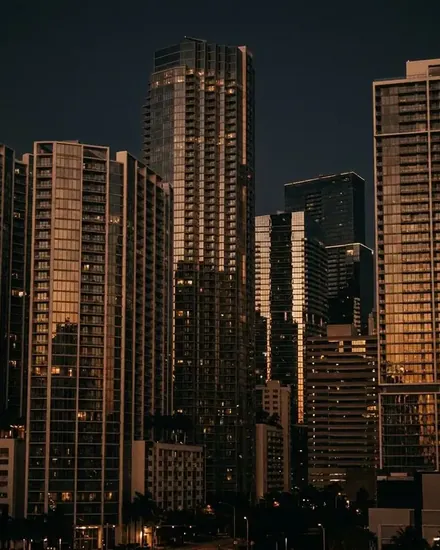
Bay-side
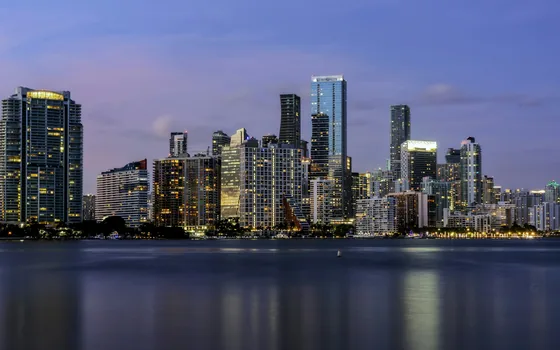
Brickell
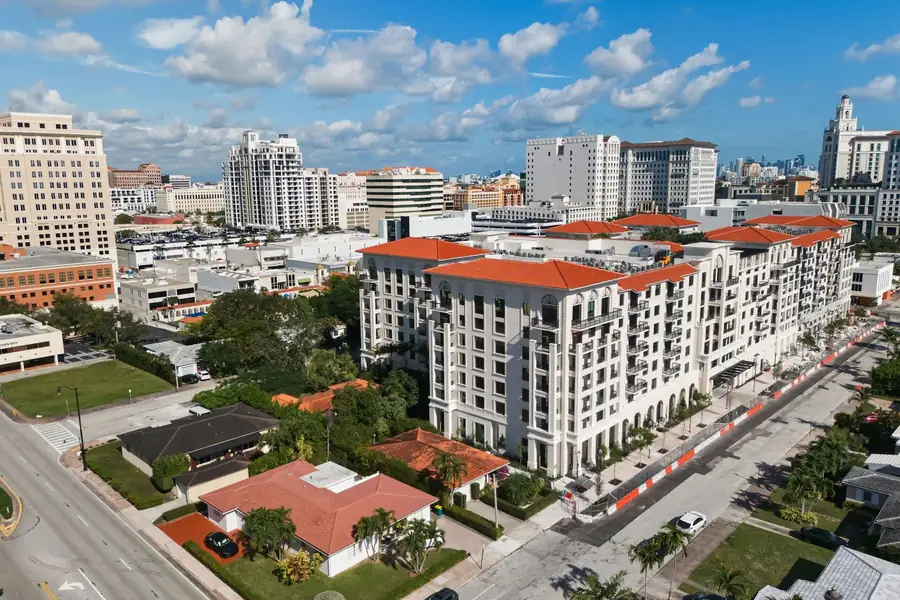
Brickell is Miami's high-rise financial district on the south bank of the Miami River, where bank towers, condo towers and Brickell City Centre sit within walking distance of Metrorail and Metromov…
Find your path home.
ClearPath Realty Group is a licensed real estate brokerage in Miami (CQ1075016) whose realtors help buyers and sellers across Miami-Dade and Broward, in English and Spanish. Every step is explained before it happens: pre-approval, written buyer representation, flood-zone and insurance checks, pricing with real comparables, and a managed closing.
At ClearPath Realty Group, we believe exceptional results come from clarity, consistency, and accountability. Through expert guidance, transparent communication, and a disciplined approach, we help our clients navigate every step with confidence and achieve their real estate goals.
No pressure and no theatrics. A Miami real estate agent who does the reading, shows the work, and tells you plainly when the answer is no.
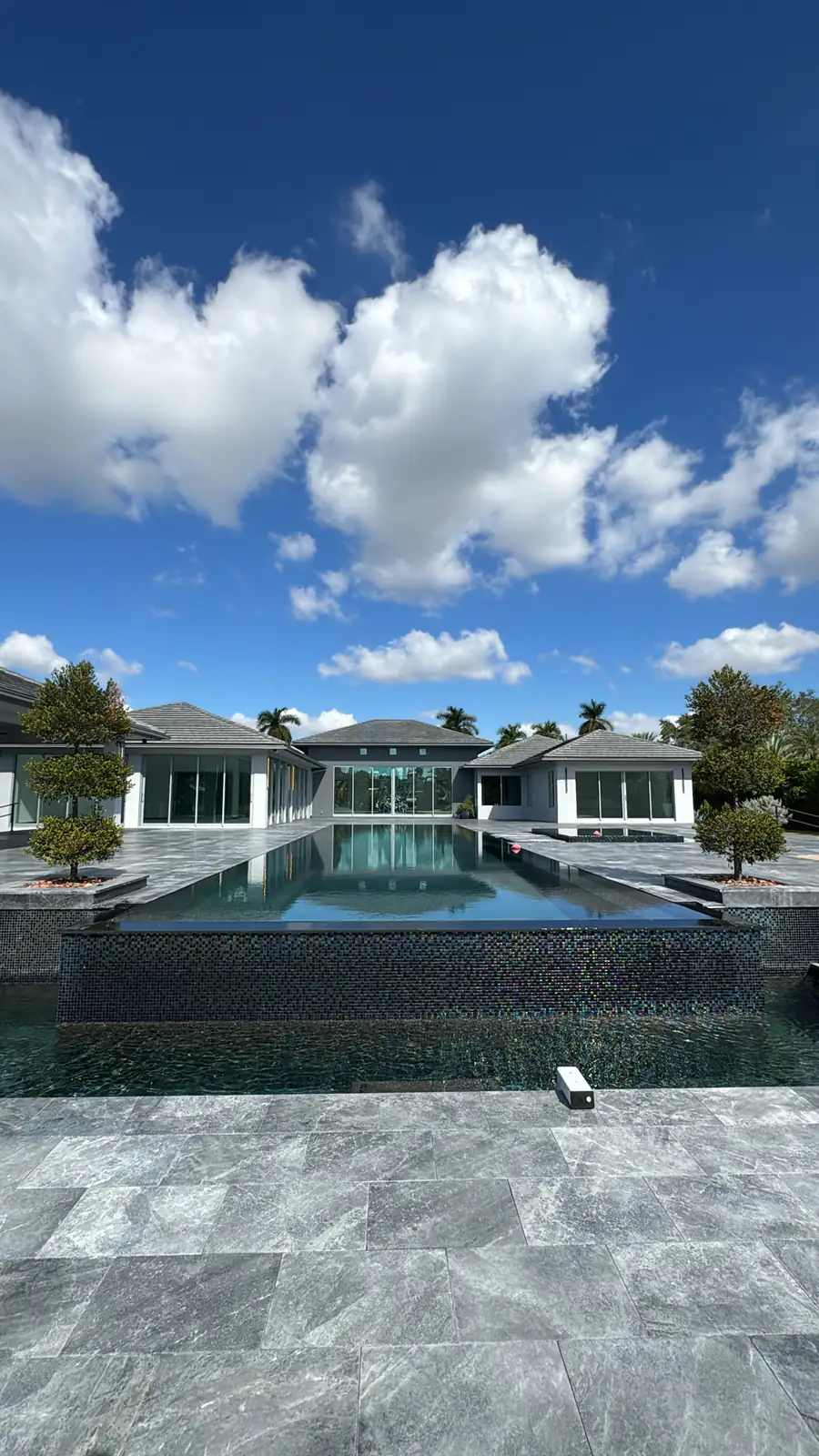
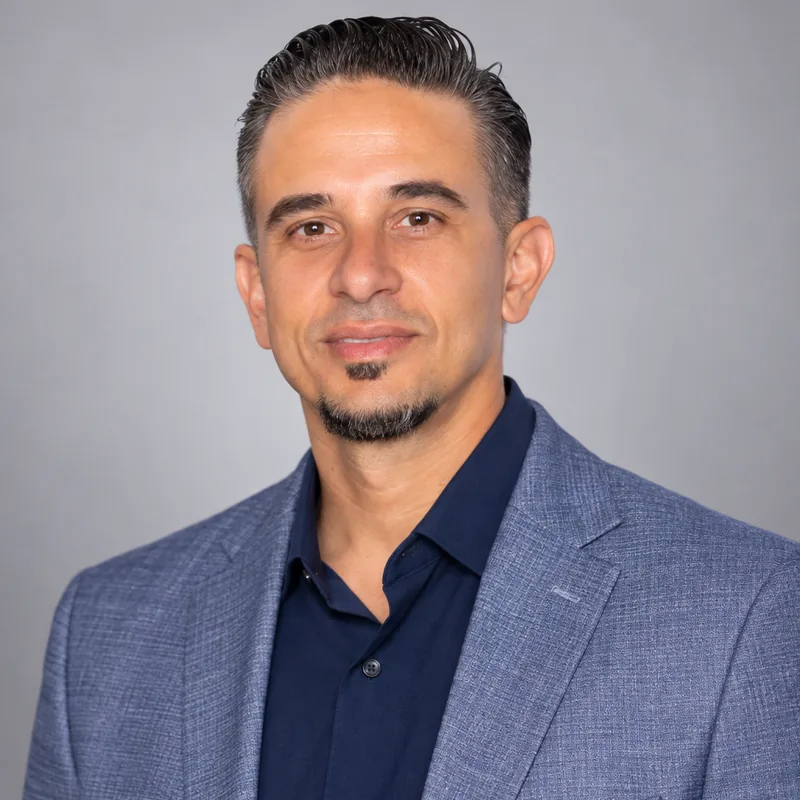
ClearPath Realty Group is a licensed Miami brokerage — CQ1075016 — run by a broker who still answers his own phone. Agents who come here find the system already running on day one, a mentor who has closed in the neighborhoods they work, and every term of the agreement in writing before a license moves.
20 agents, and the broker you would actually work with Meet the teamYou get a working CRM with automated follow-up on day one, and the email and text sequences are already written for the common lead types. Your leads get followed up while you are out on a showing.
You shadow Armando on showings, inspections and offers, and your pipeline gets reviewed — every lead in it leaves with a next step.
Split, cap, fees, E&O and exit terms are on the table before you activate your license here. Read the agreement before the tour of the office, not after.
Name, number, email. Armando calls you back — thirty minutes, every term on the table, nothing to sign on the call.
Key markets we serve
Brickell is Miami's high-rise financial district on the south bank of the Miami River, where bank towers, condo towers and Brickell City Centre sit within walking distance of Metrorail and Metromov…
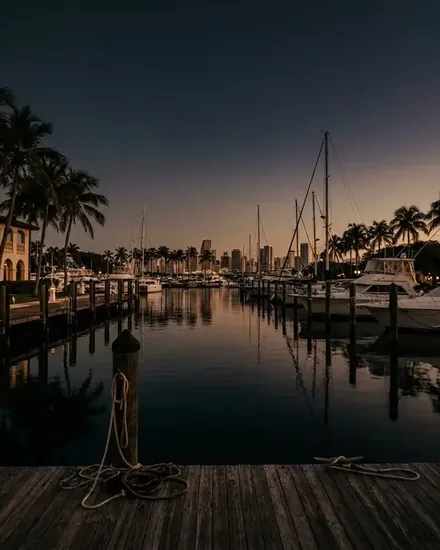
Coconut Grove is Miami's oldest settlement, named in 1873, its own city in 1919 and annexed by Miami in 1925: a bayfront village of sailing history, banyan canopy and a conservation district writte…
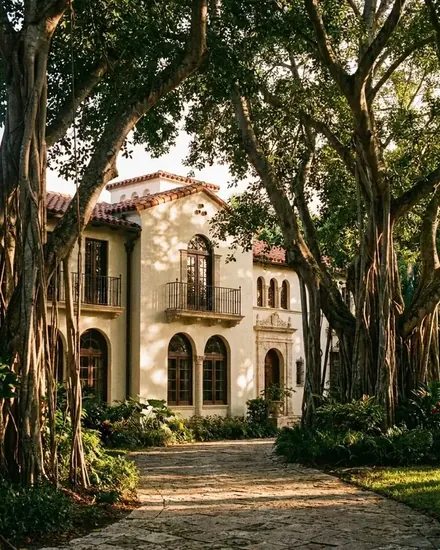
Coral Gables is the planned Mediterranean city George Merrick drew on paper in 1921 and incorporated on April 29, 1925: coral-rock entrances, canopied boulevards, the Biltmore, the University of Mi…
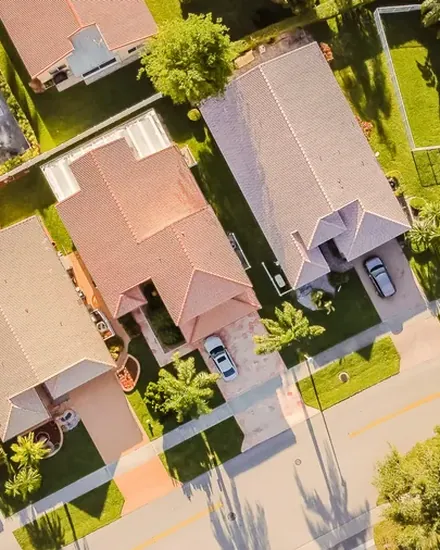
Cutler Bay is Miami-Dade's youngest municipality, a 10-square-mile town on Biscayne Bay between SW 184th and SW 232nd Streets that was rebuilt almost from scratch after Hurricane Andrew came ashore…
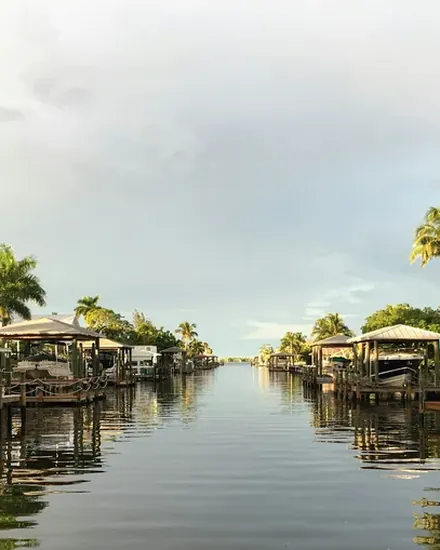
Doral is a young, master-planned city on Miami-Dade's western edge, built around golf courses, corporate campuses and the warehouses that serve Miami International Airport.
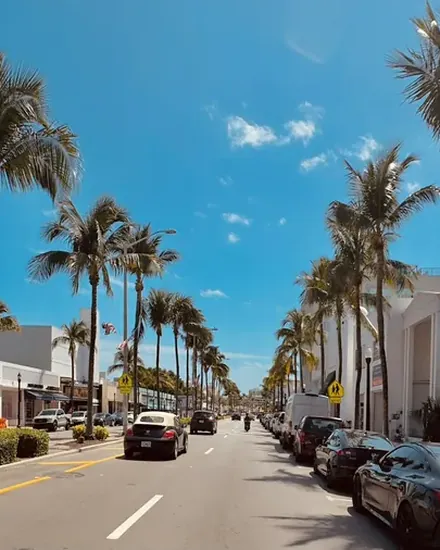
Hialeah is Miami-Dade's second-largest city and Florida's sixth, a 1920s aviation town that grew into a dense grid of concrete-block homes, factories and a free bus system northwest of the airport.
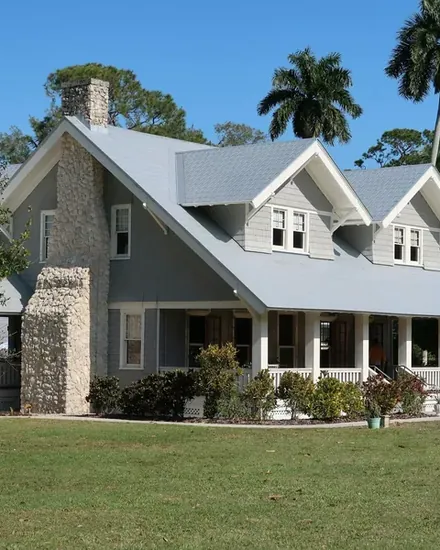
Homestead is the second-oldest city in Miami-Dade, incorporated in 1913 at the end of Flagler's railroad, flattened by Hurricane Andrew in 1992 and rebuilt into a city of 80,000 between Biscayne Na…
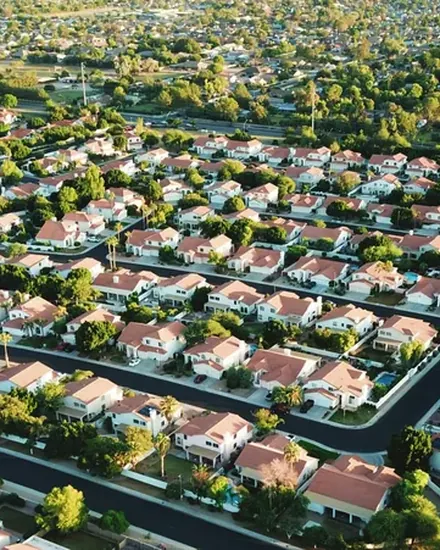
Kendall is the largest unincorporated suburb in southwest Miami-Dade County: about 16 square miles of houses, townhomes and condos between US 1 and Florida's Turnpike, anchored by Dadeland and the…
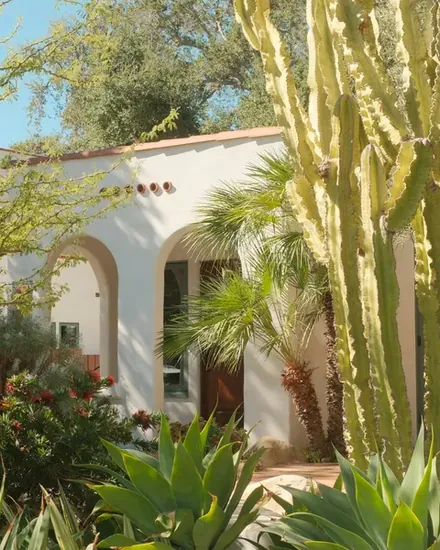
Miami Gardens is a 19-square-mile city of single-family streets in north-central Miami-Dade, incorporated in 2003 and best known as the home of Hard Rock Stadium.
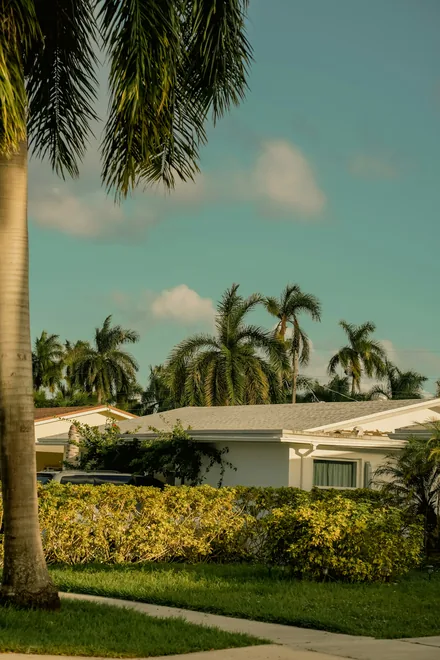
Miami Lakes is a 3,000-acre planned town north of Hialeah, laid out in 1962 on the Graham dairy farm around 23 lakes and curving, tree-lined streets, and incorporated in December 2000.
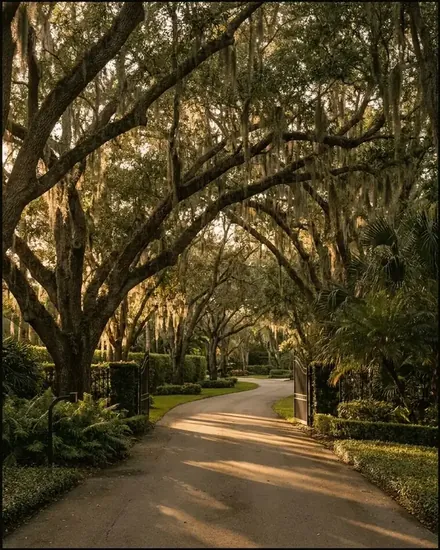
Pinecrest is a 7.5-square-mile village of acre lots, canopy streets and mid-century ranch houses steadily giving way to larger new ones, eleven miles southwest of downtown Miami with US 1 as its we…
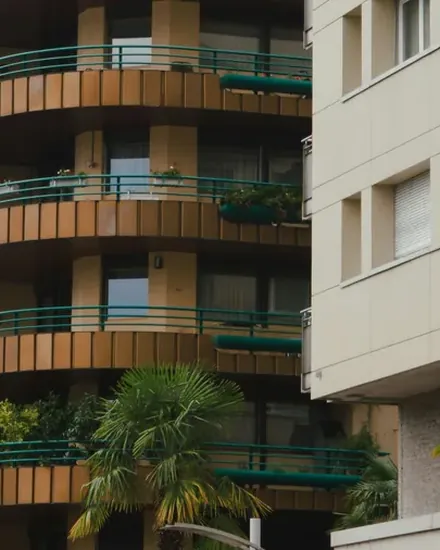
Westchester is the unincorporated grid of 1950s and 1960s houses between the Palmetto Expressway and SW 117th Avenue, with Tropical Park at one corner and Florida International University at the ot…
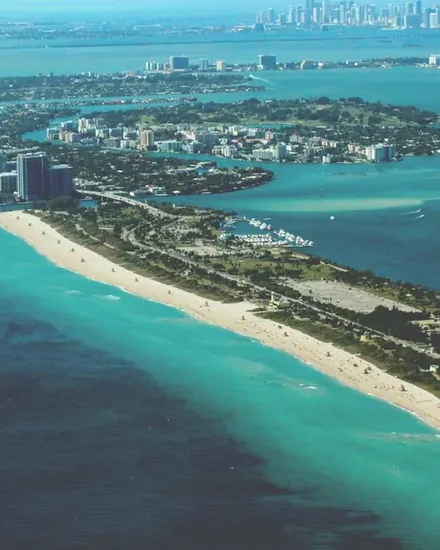
Aventura is a planned city of high-rise condominiums and golf-course enclaves on Dumfoundling Bay and the Intracoastal, incorporated in 1995 and built around Aventura Mall.
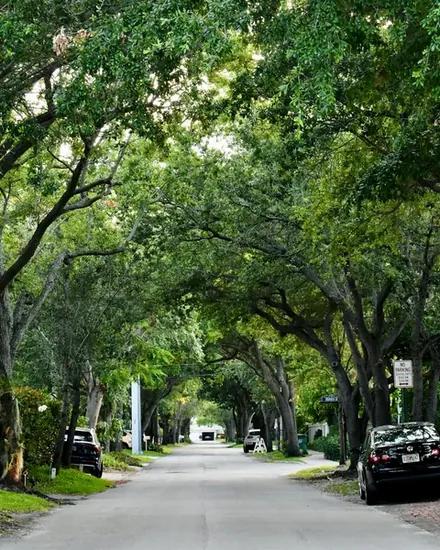
Coral Way is the City of Miami district that grew along George Merrick's 1922 boulevard between Brickell Avenue and SW 37th Avenue, under the 1,200 banyans planted in 1929, taking in Shenandoah, Si…
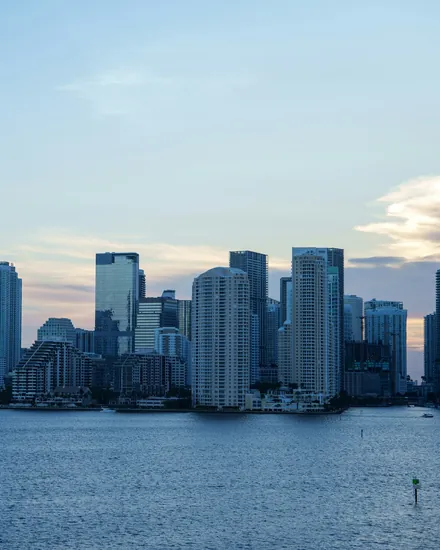
Downtown Miami is the city's original core on the north bank of the Miami River: Flagler Street's historic blocks, two bayfront parks and a line of condominium towers from the river mouth to the Ad…
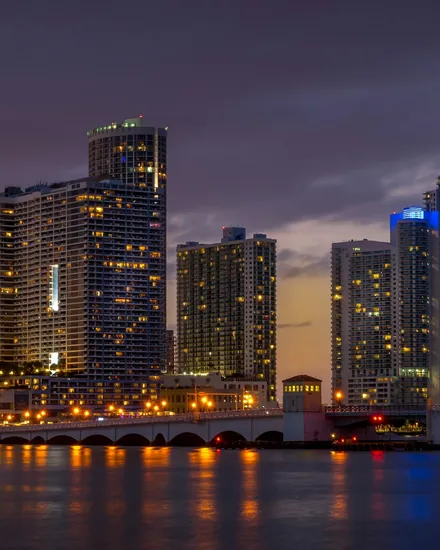
Edgewater is the City of Miami's bayfront neighborhood between the Arts & Entertainment District and Midtown: condominium towers along Biscayne Bay, with early-twentieth-century houses and small ap…
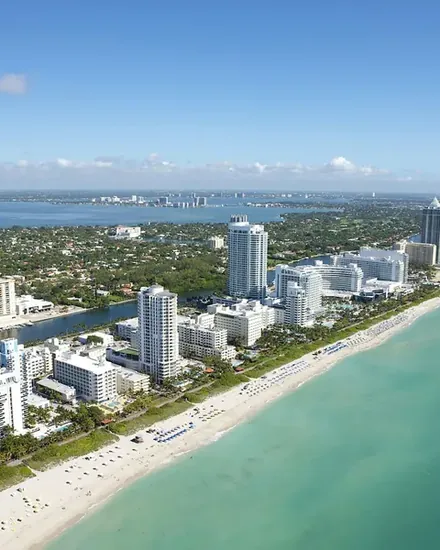
Fontainebleau is a 1970s planned community in unincorporated west Miami-Dade, built as villages of condos, townhomes and small houses around two golf courses that have since been developed, between…
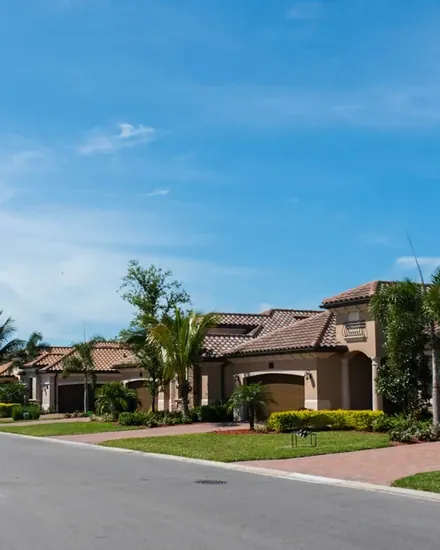
Hialeah Gardens is a compact 3.67-square-mile city wedged between Hialeah, Okeechobee Road and Florida's Turnpike, where single-family blocks, newer townhouse clusters and a large warehouse distric…
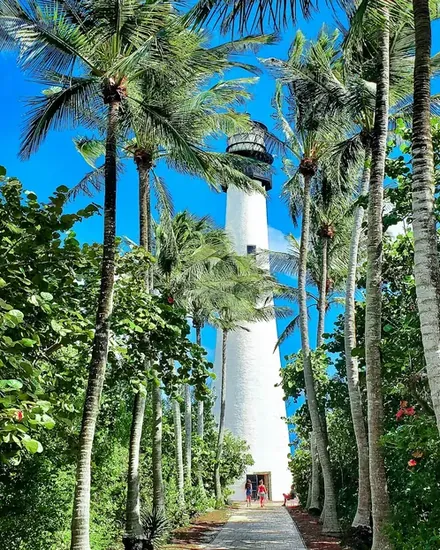
Key Biscayne is a barrier island village of 1.25 land square miles, reached only by the Rickenbacker Causeway, with a county park at one end, a state park at the other, and houses and condo towers…

Little Havana is the low-rise neighborhood that runs west from the Miami River along Calle Ocho, with 1920s bungalows in Shenandoah, small apartment buildings toward downtown, and the Tower Theater…
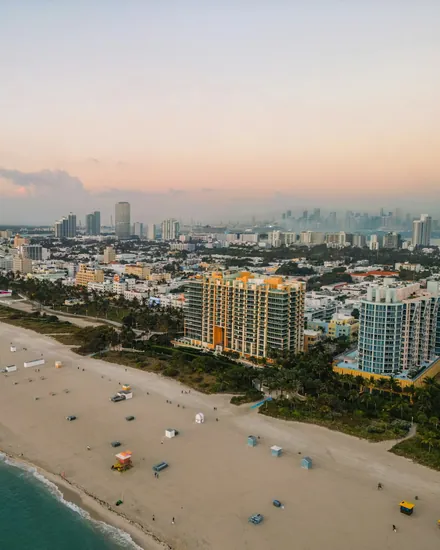
Miami Beach covers 15.22 square miles, only 7.69 of them land, on a barrier island and man-made islands between Biscayne Bay and the Atlantic, from the Art Deco blocks of South Beach to the mid-cen…
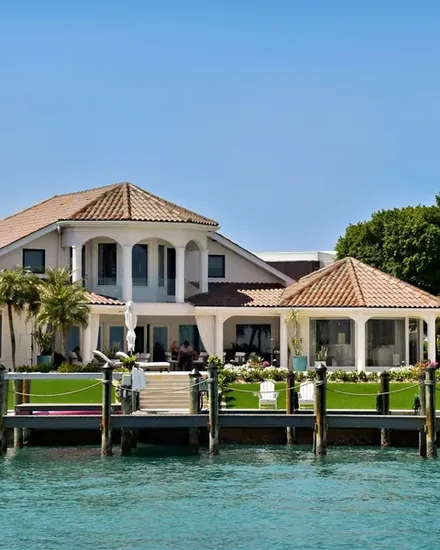
Miami Shores is a 2.5-square-mile village on Biscayne Bay, incorporated in 1932 and laid out in the 1920s as "America's Mediterranean," with its own golf course, library, aquatic center and charter…
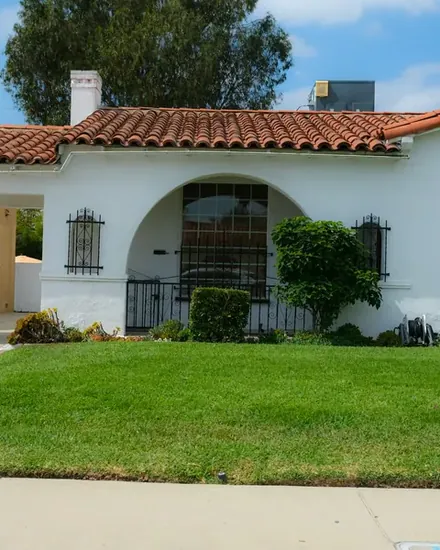
Miami Springs is a 2.98-square-mile city on the north side of Miami International Airport, laid out by aviation pioneer Glenn Curtiss in the 1920s around a golf course and a Pueblo Revival hotel.
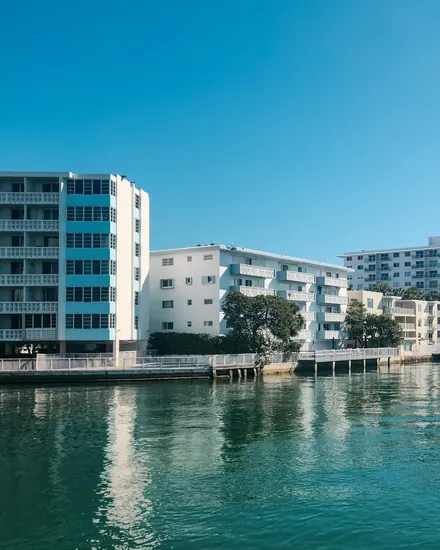
North Bay Village is a city of three islands dredged from Biscayne Bay in the 1940s, Harbor, North Bay and Treasure, strung along the John F.
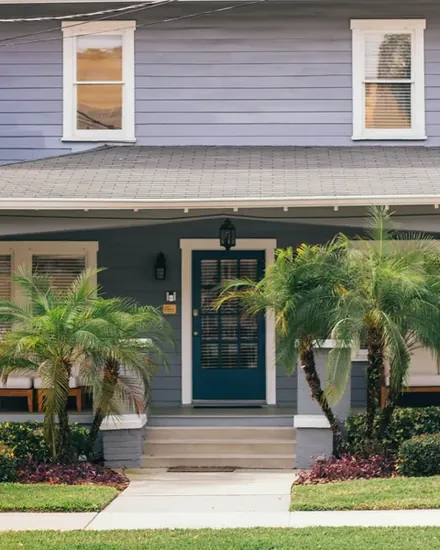
North Miami is a 10-square-mile city on Biscayne Bay, incorporated in 1926 and celebrating its centennial in 2026, that spans 1950s canal-front streets like Keystone Point, the FIU Biscayne Bay Cam…
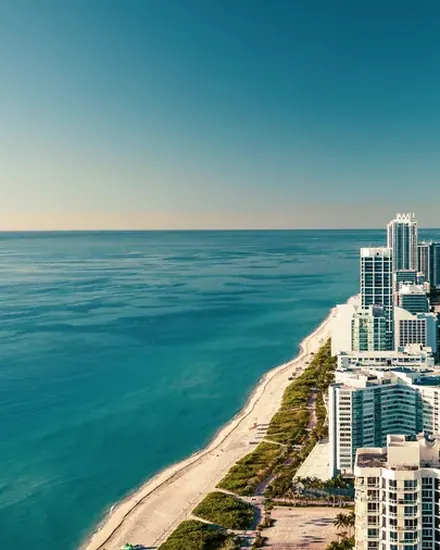
North Miami Beach is a 5.4-square-mile mainland city that began as Fulford in the 1920s, took its current name in 1931, and today has no beach at all, only canals, the Oleta River and a lot of mid-…
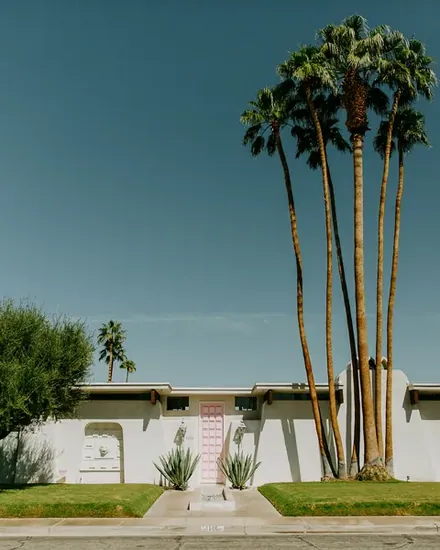
Palmetto Bay is the self-styled Village of Parks, an 8.4-square-mile municipality on Biscayne Bay between Pinecrest and Cutler Bay, incorporated in 2002 and built around Old Cutler Road, the Deerin…
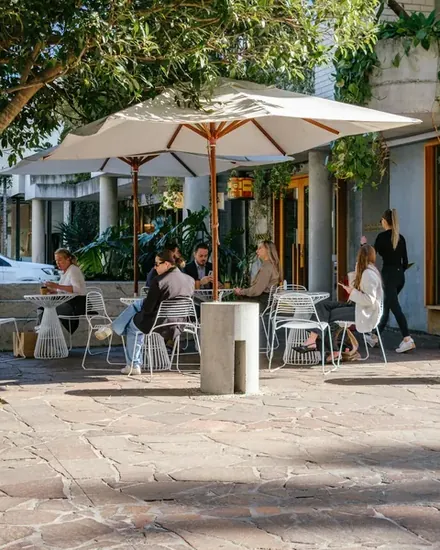
South Miami is a 2.31-square-mile city built around the crossing of Sunset Drive and US-1: a town in 1926, a city on June 24, 1927, with its own Metrorail station, a 467-bed hospital and a downtown…
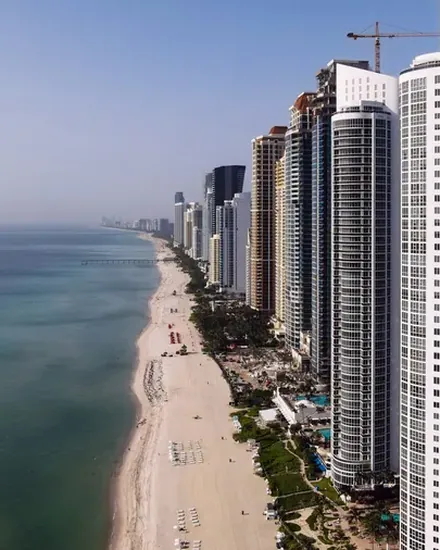
Sunny Isles Beach is a 1.78-square-mile barrier-island city between the Atlantic and the Intracoastal, where a mid-century motel row became one of the tallest condominium corridors in Florida.
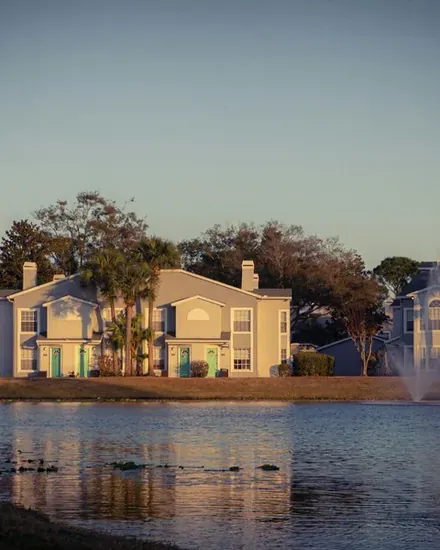
Sweetwater is a small incorporated city on SW 8th Street at the western edge of urban Miami-Dade, with FIU across the street, Dolphin Mall inside its limits and its own city hall, police and parks…
Towers and bayfront addresses along Biscayne Bay and the Intracoastal.
Older street grids, protected architecture, neighborhoods with a founding date.
Villages and bayfront enclaves where the water is the reason people buy.
Lots, schools and garages — the parts of the county families move to for room.
And every other neighborhood in between — Miami Shores, Doral, South Miami, Edgewater, Key Biscayne, and more.
Active inventory
We send the full Miami list — every active listing, with the flood zone and association notes — the same day you ask.
That means the whole active list for Miami — not the filtered slice a national portal decides to show you, and not the three homes an advertising budget pushed to the top of the page. Every address comes back with the things that actually decide whether a property is worth your Saturday: the FEMA flood zone it sits in, the association's real picture, and the county permit history behind the walls.
There is no live MLS search on this site — no search box, no map full of pins, and nothing that quietly serves you last month's prices and homes that went under contract weeks ago. A ClearPath agent pulls the list by hand instead. You name the area, a person goes and gets what is genuinely on the market, reads it before it leaves, and sends it to you. Then that same person answers whatever you want to ask about any address on it, which is the part a search box was never able to do anyway.
No portal account. No login. Your details are not sold on to anyone — the list comes from the brokerage that would represent you, and you can ask about any address on it.
Start here
Name, number, email. That is the whole ask — the list comes back from ClearPath directly.
Rather talk it through? Call or text 786 · 797 · 6400
Price per square foot is the one number that compares a Brickell tower to a Pinecrest acre honestly. Here is every area we cover, 29 of them, on the same measure and the same window.
Sorted by price per square foot.
“Disclosing all known facts that materially affect the value of residential real property and are not readily observable to the buyer”
| Area | Median sale price | Price per sq ft | Days on market |
|---|---|---|---|
| Pinecrest | $2,885,000 | $777 | 88 |
| Coconut Grove | $2,580,000 | $1,140 | 110 |
| Key Biscayne | $1,574,000 | $1,440 | 103 |
| Coral Gables | $1,449,000 | $918 | 73 |
| Miami Shores | $1,244,000 | $730 | 53 |
| Palmetto Bay | $1,237,000 | $459 | 90 |
| South Miami | $919,000 | $685 | 57 |
| Coral Way | $850,000 | $580 | 82 |
| Miami Springs | $784,000 | $417 | 56 |
| Miami Lakes | $720,000 | $393 | 63 |
| Edgewater | $718,000 | $654 | — |
| Westchester | $695,000 | $407 | 74 |
| Brickell | $688,000 | $615 | 147 |
| Sunny Isles Beach | $660,000 | $518 | 175 |
| Sweetwater | $630,000 | $316 | 107 |
| Doral | $600,000 | $344 | 91 |
| Kendall | $590,000 | $411 | 68 |
| Cutler Bay | $580,000 | $360 | 76 |
| Miramar | $545,000 | $304 | 78 |
| Miami Gardens | $500,000 | $365 | 62 |
| Hialeah | $493,000 | $332 | 69 |
| Hialeah Gardens | $492,000 | $371 | 50 |
| Little Havana | $480,000 | $341 | 60 |
| Aventura | $462,000 | $325 | 136 |
| North Miami | $452,000 | $249 | 98 |
| Pembroke Pines | $450,000 | $308 | 72 |
| Homestead | $410,000 | $242 | 84 |
| North Miami Beach | $315,000 | $287 | 140 |
| Fontainebleau | $309,000 | $286 | 71 |
All figures: Redfin, each area’s own housing-market page, retrieved 5 October 2026. Each area’s guide carries its own source link.
Real answers to the questions every Florida buyer asks — flood risk, what you can truly afford, your monthly payment, and what life is like block by block. Free, instant, and private.
In Florida, flood zone drives insurance cost and lender requirements. Check any address against the official FEMA flood map.
No charge, and no obligation.
Source: FEMA National Flood Hazard Layer. An estimate, not an official determination — confirm with your lender and insurer.
Estimate your price range — and see how renting out units in a duplex, triplex, or ADU could stretch it further.
No charge, and no obligation.
An estimate using standard DTI guidelines — not a pre-approval. Speak with a lender for real numbers.
Estimate your monthly mortgage — principal, interest, and an estimate for property taxes and insurance.
No charge, and no obligation.
An estimate only. Taxes and insurance vary by county and property — confirm exact figures with a lender.
Commute times and what's nearby — schools, dining, parks, groceries — for signature neighborhoods.
No charge, and no obligation.
Four things you should be able to hold us to, on every transaction, from the first showing to the day the deed records.
We simplify complex processes through expert guidance and transparent communication.
We act with honesty, accountability and our clients' best interests in mind.
We stay ahead of market trends, data and industry developments to provide informed guidance.
We pursue the highest standards in service, professionalism and results.
Read them in full. Responsive. Organized. Patient. Above and beyond. The wording changes from one client to the next — the pattern does not.
"Armando and his team were amazing and went above and beyond during the whole process. They helped me both selling one property and purchasing another one."
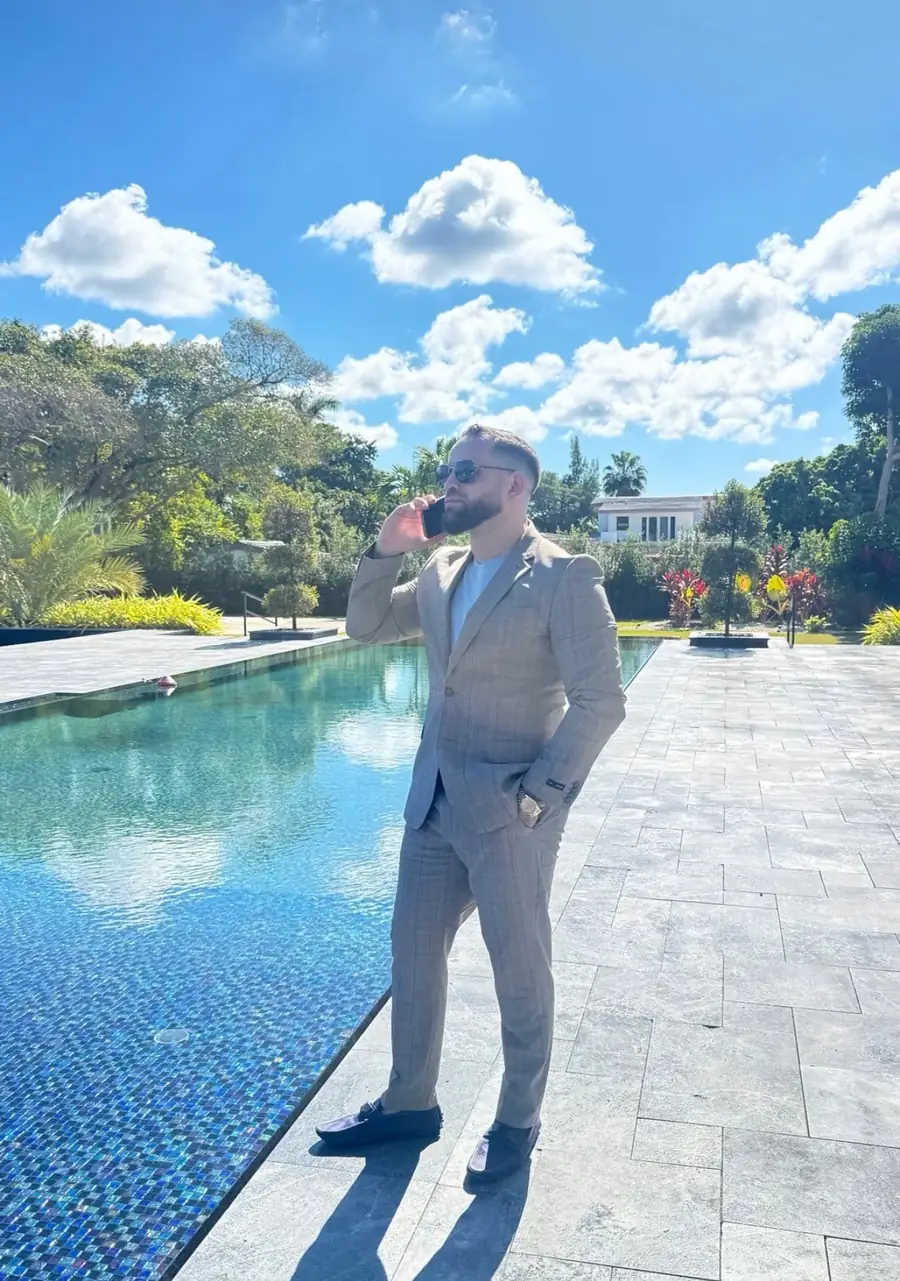
"Working with Armando was a great experience. He was always responsive, organized, and efficient, making the entire process smooth and stress-free."
"Armando was absolutely wonderful to work with! He's not only extremely professional and knowledgeable, but also kind and patient every step of the way."
These are the questions Miami buyers and sellers actually ask before they hire anyone — answered here the way we answer them on the phone: with the statute, the rule and the document that governs it, rather than a slogan. If yours is not on the list, ask it in the form below and you will get the same kind of answer.
Verify the license on the Florida DBPR site (ours: brokerage CQ1075016, broker BK3464069), ask how they are paid and get it in writing, ask for the last three closed sales in your target neighborhood, and ask what they check before you tour — flood zone, roof age, association status. If the answers are vague, keep looking.
Not by law, but Florida is an as-is, cash-heavy market with flood zones, condo recertifications and 30-day closings. A licensed agent owes you the duties in Florida Statute 475.278 — including disclosing every known fact that materially affects value and is not readily observable — and since August 17, 2024 that relationship is put in writing before the first tour.
Compensation is negotiable and set in writing in the buyer-representation or listing agreement — it is not fixed by law and it is not a percentage everyone charges. On the buyer side it may be paid by the seller, by you, or split; the agreement you sign before touring says which.
Pre-approval strategy, a written representation agreement, a tour plan built around flood zone, roof age, insurance quotes and association documents, a clean as-is offer with the right inspection and financing periods, and management of the contingencies, title company and timeline through closing.
Roof age and whether the roof is still insurable, the flood zone letter on that exact address, permit history for anything that looks recently added or enclosed, the association budget, reserves and any special assessment already voted or being discussed, impact windows versus shutters, and what the last comparable sale on the block actually closed at. In a building over 25 years old, add the milestone inspection and the structural integrity reserve study. We check these before the showing, not after the inspection period has already started running.
Every address in Miami-Dade sits in a FEMA flood zone, and the letter matters — but there are more than two of them. Unshaded X is the minimal-risk zone, outside both floodplains. Shaded X (and its older name, B) is the moderate zone: the 0.2% annual-chance, 500-year floodplain, outside the high-risk line but not outside the water, where coverage stays optional and a preferred-risk policy is usually worth buying anyway. A, AE, AH, AO, V and VE are the Special Flood Hazard Areas — the 1% annual-chance flood — and there a federally backed lender will require flood insurance. That single letter changes the monthly payment as surely as the interest rate does, and it changes what the house is worth to the next buyer. Our flood-zone tool reads the FEMA National Flood Hazard Layer for any address you type, and the Miami flood zone guide explains what each letter does to insurance, financing and resale.
It depends on the property, not the headline: flood zone and insurance cost, association reserves, rental rules and the price you pay against real closed comparables. We show the numbers area by area on our market reports and let you decide with them in front of you.
Most people say "realtor" or "agente de bienes raíces". Every ClearPath page exists in Spanish, and our agents work in both languages from the first call through closing.
Send a note, fill the form, or call directly. We will respond within the day.
See the latest on Instagram.
@clearpathrealty_ →Straight talk on the Florida market — buying, selling, and investing with a clear head.
The October 2026 MIAMI REALTORS numbers for Miami-Dade: sales fall 10.6% as rates stay above 7%, prices hold, and inventory falls for a ninth straight month.
When a Florida home seller can walk away from a signed contract, when it is a default, and what the buyer can do about it under the Florida Realtors/Florida Bar AS IS form.
Florida has no inheritance or estate tax, but an inherited Miami house still meets probate, homestead rules, a property-tax reassessment and income tax when you sell.
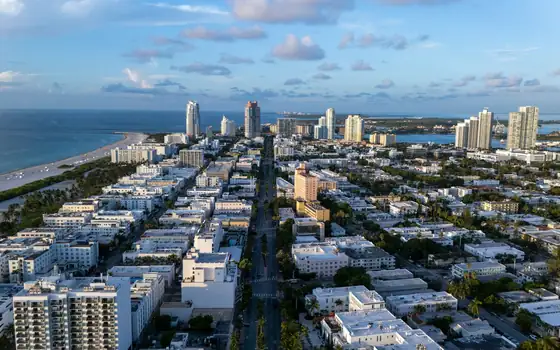
The September 2026 MIAMI REALTORS numbers for Miami-Dade: sales slip as rates top 7%, prices hold, inventory falls again, and cash buyers keep closing.
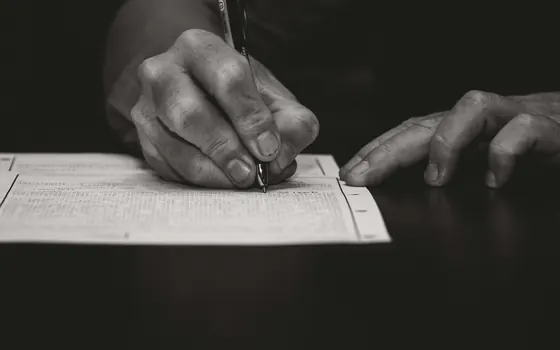
What a Florida quitclaim deed does and does not promise, how it differs from a warranty deed, and the doc stamp, homestead and mortgage traps in adding someone to a deed.
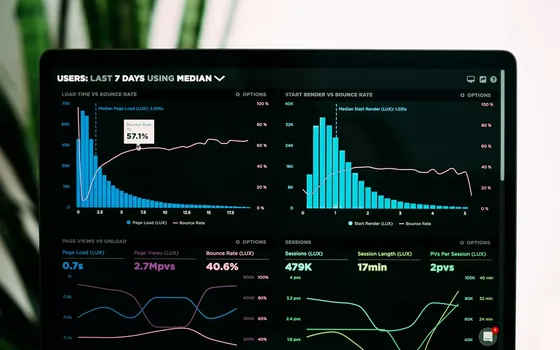
What the July 2026 MIAMI REALTORS release says about Miami-Dade sales, prices, inventory and cash buyers, and what it means if you buy or sell this month.
What the August TRIM notice shows, why your bill runs higher than the seller's, the March 1 homestead deadline and November discounts.

Pricing to the subdivision, the first two weeks, photography, disclosures ready on day one, and when to cut. A Miami-Dade seller's field guide.

Gross rent versus net, the expense lines that are real in Miami-Dade, cap rate and cash-on-cash defined, and DSCR loans in one paragraph.
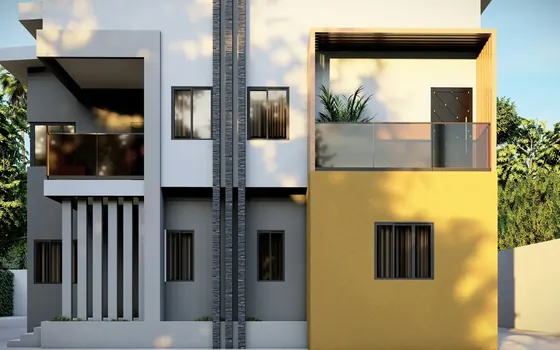
House-hacking a duplex or backyard unit in Miami-Dade: the county ADU ordinance, City of Miami rules, permits and FHA on 2-4 units.

What a named storm does to a pending Miami contract: insurance binding stops, closings slide, force majeure kicks in, and the walk-through matters.

Miami-Dade's building recertification: which buildings get the notice, the 30-, 40- and 10-year cycles, and how a condo buyer reads the report.

How opening protection is scored on Florida's wind-mitigation form, why one unprotected opening voids the credit, and what a Miami-Dade NOA proves.
The Chapter 720 HOA packet, read in order: budget, reserves, financial report, litigation, rental caps, special assessments and the estoppel.
Buying from a builder in Doral, Hialeah or Homestead: the builder's contract, deposit escrow, the statutory warranty, CDD fees and walk-throughs.
Insurance, flood zones, HOAs and CDDs, closing costs and the homestead exemption: six things to line up before you tour Florida homes.

An honest rent-or-buy framework for Miami-Dade: how long you will stay, the closing-cost hurdle, and what the homestead cap is worth.

How a Miami-Dade seller weighs cash against financing: the real cash share, appraisal risk, contingency deadlines and gap clauses.
Free consultation
Let us help — no cost, no pressure.