

New Construction in West Dade: What to Check
Updated September 2026
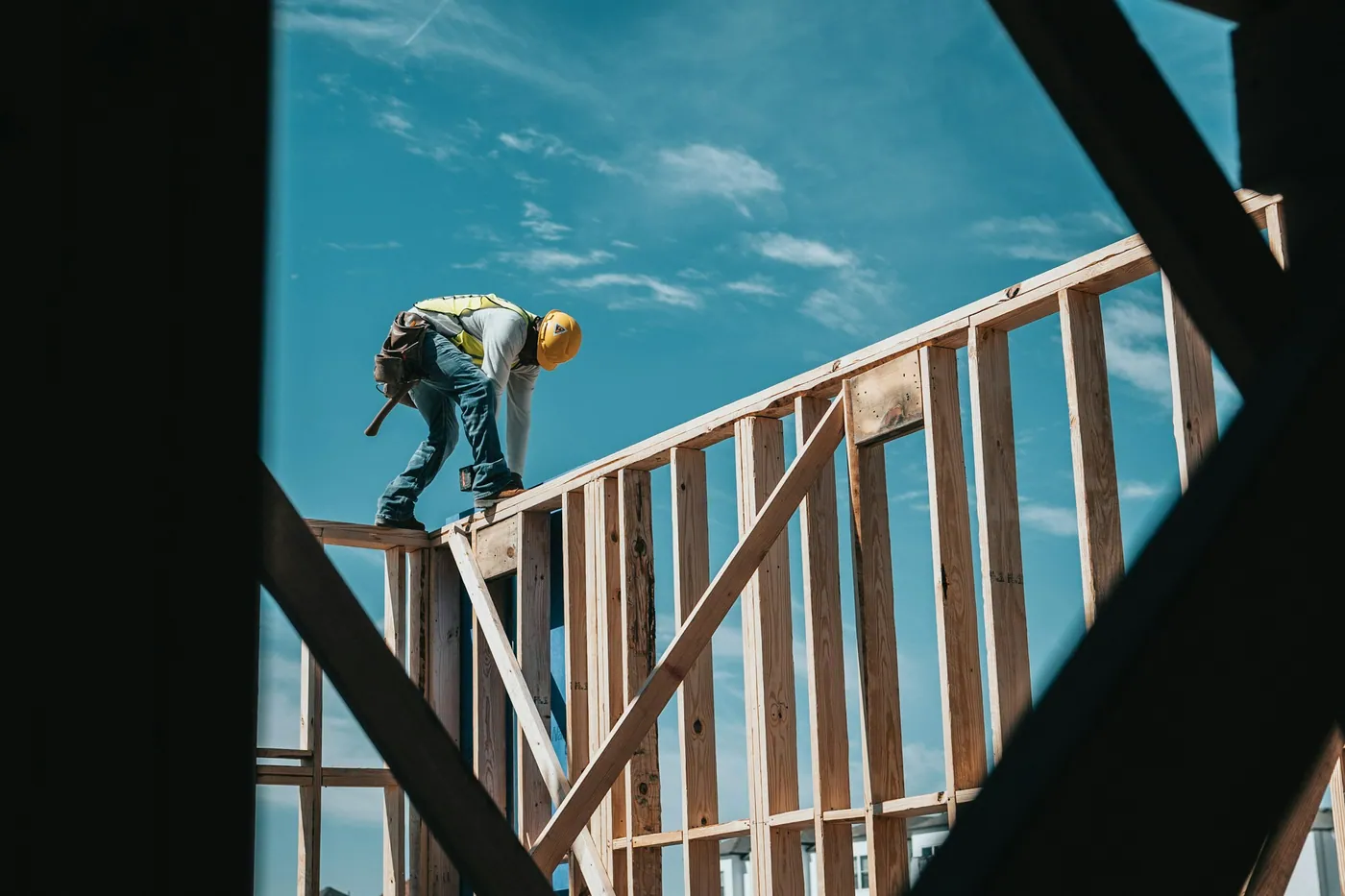
Most of the new homes in Miami-Dade are going up on the western edge: master-planned communities in Doral, the last big parcels in Hialeah, and the townhome and single-family tracts south through Homestead. The model home is beautiful and the sales office is efficient. That is the point. Here is what to check before you sign, in the order the builder will present it to you.
Why is the contract the builder’s, not the FAR/BAR form?
Resale deals in Florida run on the Florida Realtors/Florida Bar contract. Builders do not use it, and for a reason: the standard form assumes the house already exists. It has no mechanism for construction delays, material substitutions or a punch list that outlives closing. So builders draft their own contracts, and those documents tie completion to the certificate of occupancy rather than a fixed date, allow cost pass-throughs or substitutions, and often omit a financing contingency altogether.
Two things follow. First, ask whether the contract has a financing contingency and what happens to your deposit if the loan falls through at the end of a year-long build. Second, if there is a price-escalation clause, ask for a cap; without one, the builder holds an open check. You will likely not be able to rewrite the form, but a real estate attorney should read it before you sign, while you still have the option to walk.
Where your deposit sits
Florida has two escrow rules that depend on what you are buying.
For a single-family home or duplex, §501.1375 requires a builder that sells at least ten units a year to place deposits up to 10% of the price in an escrow account with a bank, attorney, broker or title company. The buyer can waive that protection in writing, which is why the statute makes every contract carry a conspicuous notice of the right to escrow. Read that paragraph before you initial it. Willful violation is a third-degree felony.
For a condominium, §718.202 is stricter: payments up to 10% of the price go into escrow, and any amount above 10% goes into a separate special escrow the developer may draw only for actual construction costs such as permits, site work and engineering, never for sales commissions or advertising. Willful violation is again a felony.
Warranties: what the statute gives you
Since July 1, 2025, Florida’s §553.837 requires every builder of a newly constructed single-family home, duplex, triplex or quadplex to warrant it for one year against construction defects in equipment, materials or workmanship that amount to a material violation of the Florida Building Code, meaning a violation that could reasonably cause physical harm or significant damage to the building’s performance. The year runs from the earlier of title conveyance or first occupancy, and it transfers to a new owner within that year. Normal wear, settlement, owner-caused damage, manufacturer-warranted appliances and acts of God are excluded.
A builder may substitute its own written warranty if it meets or exceeds the statute. Many do, and the longer terms for systems and structure are real value, but read the definitions: “structural” is usually narrow, and cosmetic items live in the first year.
The backstop is §95.11. Since SB 360 took effect in April 2023, the statute of repose for latent construction defects is seven years, down from ten, and the four-year statute of limitations is unchanged. Both clocks now start at the earlier of a temporary certificate of occupancy, certificate of occupancy or certificate of completion, or abandonment. In other words, the calendar starts before you move in.
CDD fees and the tax bill
Master-planned communities often sit inside a Community Development District, which finances roads, drainage and amenities with bonds and repays them through a non-ad valorem assessment on your property tax bill. It appears on both the TRIM notice and the November bill, and the Miami-Dade Property Appraiser notes that the sales price “typically does not include the financial obligation.” Ask the sales office for the current CDD assessment and the HOA dues separately, and put both into your monthly number.
| Protection | What the statute says |
|---|---|
| Deposit on a house or duplex (§501.1375) | A builder that sells at least ten units a year escrows deposits up to 10% of the price; the buyer can waive it in writing, so every contract carries a conspicuous notice of the right |
| Deposit on a condo (§718.202) | Payments up to 10% go into escrow; anything above 10% goes into a separate escrow the developer may draw only for actual construction costs |
| Statutory warranty (§553.837, since July 1, 2025) | One year against construction defects that amount to a material Florida Building Code violation, running from title or first occupancy and transferring to a new owner within that year |
| Latent defects (§95.11) | Seven-year statute of repose and four-year statute of limitations, both starting at the earlier of a temporary or final certificate of occupancy, certificate of completion, or abandonment |
| HOA turnover (§720.307) | Owners may elect a board majority three months after 90% of the parcels are conveyed; the developer must deliver records, funds and audited statements within 90 days |
HOA turnover
In a new community the developer controls the association until turnover. Under §720.307, owners other than the developer are entitled to elect a majority of the board three months after 90% of the parcels in all phases have been conveyed, or earlier if the governing documents say so, and the developer must deliver the records, the funds and audited financial statements within 90 days. Buying early means living under the developer’s budget for a while. Read the declaration and the current budget, and ask what the dues are projected to be after turnover. Our HOA guide explains what the documents should contain.
Two walk-throughs and your own inspector
Ask in writing for a pre-drywall walk-through, when framing, plumbing, electrical and insulation are still visible, and a final walk-through before closing. Bring your own licensed inspector to both. Builder contracts sometimes limit inspection access, so confirm the terms before you need them. Everything found at the final walk goes on a written punch list with dates; the builder’s contract should say how items open at closing get closed.
Preferred lender and title incentives
Builders offer closing-cost credits or rate buydowns if you use their affiliated lender and title company. Under RESPA, a seller cannot require you to use a particular lender or title company as a condition of the sale, but it may offer an incentive, and it must give you an Affiliated Business Arrangement disclosure showing its financial interest. The test is simple: get a Loan Estimate from an outside lender and compare the whole package, rate, fees and credit together. Sometimes the builder’s deal wins. Sometimes the credit is paid back through the rate.
Where to look in West Dade
If you want a feel for how these communities age, walk one that is already through turnover. Bonterra in Hialeah was built out between 2014 and 2017, and the Doral communities such as Islands at Doral show what a CDD-financed plan looks like a decade on. For Homestead, start with the Homestead page. Then bring us the builder’s contract before you sign it, not after.
Sources
- The Legal Scoop on Southwest Florida Real Estate — Inappropriate Contracting: Using FARBAR Form Contracts for Residential New Construction: https://www.legalscoopswflre.com/real-estate/inappropriate-contracting-using-farbar-form-contracts-for-residential-new-construction/
- Florida for Boomers — Florida Home Builder Contract Clauses: https://www.floridaforboomers.com/florida-home-builder-contract-clauses/
- Florida Statutes §501.1375 — Deposits received for purchase of residential dwelling units: https://www.flsenate.gov/Laws/Statutes/2025/501.1375
- Florida Statutes §718.202 — Sales or reservation deposits prior to closing: https://www.flsenate.gov/Laws/Statutes/2025/718.202
- Shutts & Bowen — Florida’s New Statutory Home Warranty (§553.837): https://www.shutts.com/business-and-legal-insights/floridas-new-statutory-home-warranty-what-home-builders-need-to-know
- Bilzin Sumberg — Florida Legislature Enacts Major Changes to the Statute of Repose (SB 360, §95.11): https://www.bilzin.com/insights/publications/2023/05/changes-to-the-statute-of-repose
- Miami-Dade Property Appraiser — Non-Ad Valorem Assessments: https://www.miamidadepa.gov/pa/property-assessments/non-ad-valorem.page
- Florida Statutes §720.307 — Transition of association control: https://www.flsenate.gov/Laws/Statutes/2025/720.307
- Silberman Law Firm — Can a Builder Require You to Use a Certain Lender?: https://silblawfirm.com/real-estate-law/can-a-builder-require-you-to-use-a-certain-lender/
Frequently asked
Does a new construction home in Florida come with a warranty?
Yes. Since July 1, 2025, Section 553.837 requires every builder of a new single-family home, duplex, triplex or quadplex to warrant it for one year against construction defects that amount to a material Florida Building Code violation. The year runs from the earlier of title conveyance or first occupancy and transfers to a new owner within that year. A builder may substitute its own written warranty if it meets or exceeds the statute.
Is my deposit on a new construction home in Florida protected?
For a single-family home or duplex, §501.1375 requires a builder selling at least ten units a year to escrow deposits up to 10% of the price — unless you waive that protection in writing, which is why the contract carries a conspicuous notice of the right. For a condominium, §718.202 escrows payments up to 10% and puts anything above 10% into a special escrow the developer may draw only for actual construction costs.
What is a CDD fee?
A non-ad valorem assessment that repays the bonds a Community Development District issued to build roads, drainage and amenities. It appears on both the TRIM notice and the November tax bill, and the Miami-Dade Property Appraiser notes that the sales price typically does not include that obligation. Ask the sales office for the CDD assessment and the HOA dues separately.
Do I have to use the builder's lender to get the incentive?
Under RESPA a seller cannot require you to use a particular lender or title company as a condition of the sale, but it may offer an incentive for doing so and must give you an Affiliated Business Arrangement disclosure. Get a Loan Estimate from an outside lender and compare the whole package — rate, fees and credit together.