

Little Havana Homes for Sale & Neighborhood Guide
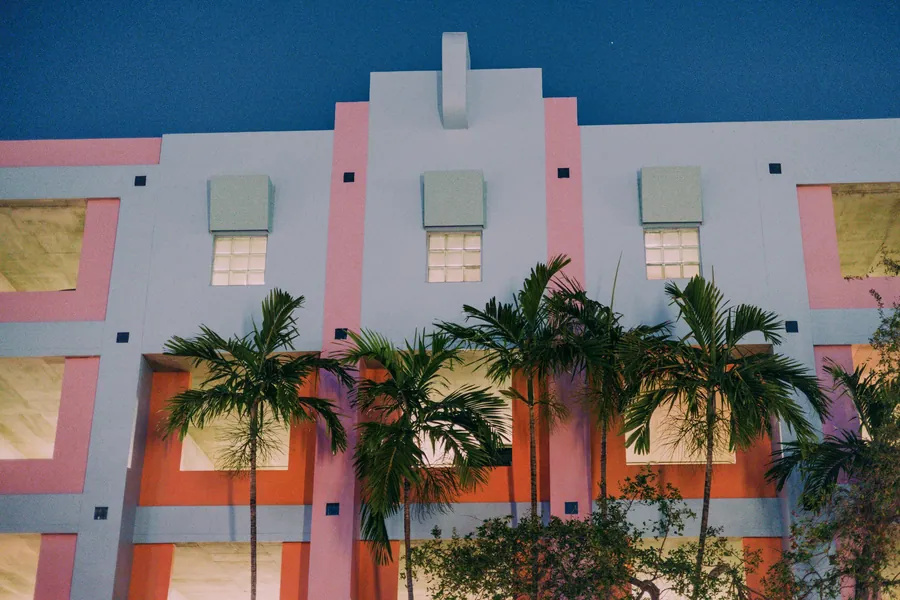
Little Havana is the low-rise neighborhood that runs west from the Miami River along Calle Ocho, with 1920s bungalows in Shenandoah, small apartment buildings toward downtown, and the Tower Theater and Domino Park at its center.
Updated October 2026
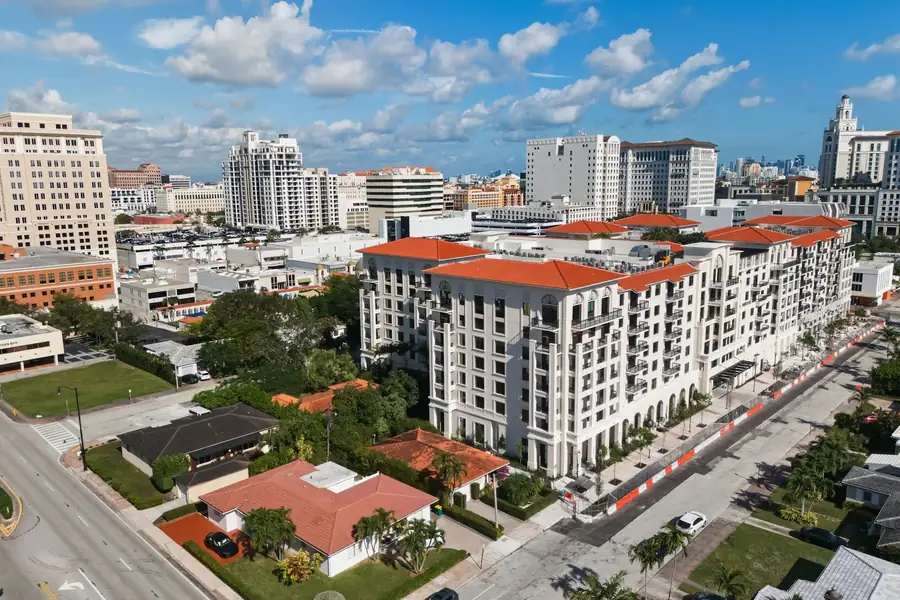
Buying in Little Havana usually means a 1920s or 1930s house on a 7,500-square-foot lot in Shenandoah, a duplex or small apartment building, or a unit in one of the new mid-rise buildings near the river. Downtown is about two miles east. The trade-offs are older construction that needs inspection, block-by-block zoning differences, and flood zones along the Miami River.
- County
- Miami-Dade
- ZIP codes
- 33125, 33126, 33128, 33130, 33135
- Population
- 76,163 (2010)
Low-rise: 1920s and 1930s bungalows and Mediterranean Revival houses on 7,500-square-foot lots in Shenandoah, duplexes and garden apartments toward the river, and new small apartment buildings on the eastern blocks under Miami 21.
Redfin, Little Havana housing market · source
Active inventory
Homes for sale in Little Havana
We send the full Little Havana list — every active listing, with the flood zone and association notes — the same day you ask.
That means the whole active list for Little Havana — not the filtered slice a national portal decides to show you, and not the three homes an advertising budget pushed to the top of the page. Every address comes back with the things that actually decide whether a property is worth your Saturday: the FEMA flood zone it sits in, the association's real picture, and the county permit history behind the walls.
- The complete active list Every property on the market in Little Havana, in one place, in one email.
- Flood zone, address by address The FEMA zone each property sits in — before you fall for the kitchen.
- The association picture Dues, reserves, special assessments on the books, and 40-year recertification status.
- County permit history What was permitted, what was closed out, and what was never pulled at all.
There is no live MLS search on this site — no search box, no map full of pins, and nothing that quietly serves you last month's prices and homes that went under contract weeks ago. A ClearPath agent pulls the list by hand instead. You name the area, a person goes and gets what is genuinely on the market, reads it before it leaves, and sends it to you. Then that same person answers whatever you want to ask about any address on it, which is the part a search box was never able to do anyway.
No portal account. No login. Your details are not sold on to anyone — the list comes from the brokerage that would represent you, and you can ask about any address on it.
Start here
Get the Little Havana list
Name, number, email. That is the whole ask — the list comes back from ClearPath directly.
Thank you. ClearPath will be in touch shortly.
Rather talk it through? Call or text 786 · 797 · 6400
Living in Little Havana: who lives here and what the housing looks like
Little Havana stretches west from the Miami River for roughly two and a half miles. Its usual boundaries are SW 3rd Avenue on the east, SW 37th Avenue on the west, NW 7th Street on the north and SW 22nd Street, Coral Way, on the south. The 2010 Census counted 76,163 residents across ZIP codes 33125, 33126, 33128, 33130 and 33135.
The place existed long before its name. The Westmoreland subdivision began development in 1912 between SW 12th and 14th avenues, and many of its houses trace to 1914, built with Dade County pine and oolitic limestone. South Shenandoah and Shenandoah Amended followed during the mid-1920s land boom, which collapsed in 1926. The Tower Theater opened at 1508 SW 8th Street in December 1926 and reopened on October 3, 1931 after Robert Law Weed's Art Deco remodel gave it a 40-foot steel tower. In the 1960s the areas known as Riverside and Shenandoah took on the name Little Havana, and Calle Ocho became the main street.
Calle Ocho is SW 8th Street, the eastern end of the Tamiami Trail. Its landmark stretch runs from 12th to 27th avenues: Domino Park at 15th Avenue, established in 1976 and officially Máximo Gómez Park; the Walk of Fame between 12th and 17th avenues; CubaOcho at 1465 SW 8th Street; and the memorial boulevard on SW 13th Avenue with its monument to the 1961 Bay of Pigs invasion. The National Trust for Historic Preservation put Little Havana on its 11 Most Endangered list in 2015 and named it a national treasure in 2017.
“Each year, new properties become subject to the recertification process at 30 years and every 10-year interval thereafter for the life of the structure”
Housing: bungalows, duplexes and new mid-rises
Shenandoah, between SW 12th and 27th avenues from Calle Ocho to Coral Way, holds the largest stock of 1920s and 1930s houses: wooden bungalows and Mediterranean Revival homes with arches, columns, balconies, barrel tile roofs and textured stucco, plus a few with Streamline Moderne or Art Deco details. Lots are modest, typically 7,500 square feet, and many houses have been added to or converted over the decades.
Closer to the river, East Little Havana has long been a mix of small bungalows, garden apartments raised over ground-floor parking, duplexes and vacant lots. Historic survivors near the water include the J.W. Warner House at 111 SW 5th Avenue, built in 1912, and the Miami River Inn at 437 SW 2nd Street, with buildings dating to 1908.
Zoning shapes what gets built. Miami 21, the city's 2009 code, envisioned eight- to twelve-story mixed-use buildings in East Little Havana while keeping most interior blocks low-rise, and a 2015 amendment exempted certain lots under 10,000 square feet from multifamily parking requirements; small new apartment buildings have followed on the eastern blocks. The lot's transect zone decides whether a duplex, a fourplex or a mid-rise can go next door, so check it before you fall for the street.
Getting around
Calle Ocho and West Flagler Street are the east–west spines, and SW 12th, 17th, 22nd and 27th avenues carry the north–south traffic. I-95 runs along the eastern edge and the Dolphin Expressway, SR 836, along the north. By Rome2rio's measure, downtown Miami is about two miles east, Miami International Airport about 10 road miles, Miami Beach about 8, Doral about 10.7 and Coral Gables about 2.
There is no Metrorail station inside Little Havana; Brickell station is about one mile east along the Tamiami Trail. The City of Miami's free trolley serves Little Havana and connects to Brickell station, Monday through Saturday from 6:30 a.m. to 11 p.m. and Sundays from 8 a.m. to 8 p.m. The City's Little Havana NET office is at 1300 SW 12th Avenue.
| Downtown Miami | 2 mi | |
|---|---|---|
| Miami International Airport | 10 mi | |
| Miami Beach | 8 mi | |
| Doral | 10.7 mi | |
| Coral Gables | 2 mi |
Daily life: Calle Ocho, the river, the ballpark
Daily life runs along Calle Ocho. Domino Park at SW 8th Street and 15th Avenue opens from 9 a.m. to 6 p.m. seven days a week. The Tower Theater, renovated in 2002 and handed to Miami Dade College, shows films a few doors down. Versailles, opened in 1971 by Felipe A. Valls Sr., fills the block between 35th and 36th avenues. Viernes Culturales takes over the stretch between 14th and 17th avenues on the last Friday of each month, and the Calle Ocho Festival draws more than a million visitors; on March 13, 1988 it set a Guinness record with a 119,986-person conga line.
On the river, Jose Marti Park at 351 SW 4th Street has a lap pool, outdoor gym equipment, baseball and basketball facilities and a playground. loanDepot park at 501 Marlins Way, built on the site of the old Orange Bowl and opened on April 4, 2012, seats 36,742 under a retractable roof. The Miami-Dade Public Library branch at 1398 SW 1st Street serves the neighborhood, and Jackson Memorial Hospital, with the county's only Level 1 trauma center, is just north at 1611 NW 12th Avenue.
Schools and services
Miami High School at 2450 SW 1st Street is the neighborhood's landmark public school. Founded in 1903 as the first high school in what is now Miami-Dade County, its 1928 building by Richard Kiehnel is on the National Register of Historic Places and was restored between 2010 and 2014.
Public elementary options include Riverside Elementary at 1190 SW 2nd Street, Citrus Grove K-8 Center at 2121 NW 5th Street, Shenandoah Elementary, Auburndale Elementary and Kensington Park Elementary. Ada Merritt K-8 Center at 660 SW 3rd Street is an International Baccalaureate magnet, and Shenandoah Middle is a magnet as well. Miami-Dade County Public Schools assigns by address, so verify the boundary for the exact house. The City of Miami provides police, fire, parks and permitting, which matters here because so much of the stock predates modern codes.
- Riverside Elementary SchoolElementary
- Citrus Grove K-8 CenterK-8
- Shenandoah Elementary SchoolElementary
- Ada Merritt K-8 CenterMagnet
- Shenandoah Middle SchoolMagnet
- Miami Senior High SchoolHigh school
Buying in Little Havana: what to check
Inspect the bones. A 1920s house may have Dade County pine framing, original plumbing and electrical, and additions built without permits. Order a full inspection plus a four-point inspection and a wind mitigation report; insurers will ask for both. Pull the City of Miami permit history and compare it to what you see on site.
Check the flood zone for the exact parcel. The blocks along the Miami River are the most likely to be mapped as Special Flood Hazard Areas, where a federally backed mortgage requires flood insurance; Miami-Dade's current FEMA maps took effect on September 11, 2009, and an elevation certificate can change the premium. Confirm the Miami 21 transect zone for your lot and the ones around it. For duplexes and small buildings, get the leases, the rent roll and two years of expenses in writing; buildings three stories and taller fall under Florida's milestone inspection rules.
Selling in Little Havana
Buyers here come in two kinds: people who want a 1920s house with original details, and investors who read the lot's zoning before the kitchen. Serve both. Photograph the arches, the tile roof and the floors, and put the transect zone, lot size and permit history in the listing remarks. Unpermitted additions are the most common deal-killer; resolve or disclose them before listing. A house with a recent roof, updated electrical and a clean four-point inspection is easier to insure, and that is what moves a buyer from interest to contract.
Before you offer in Little Havana: the checklist
- Order a four-point inspection and wind mitigation report on any pre-1960 house; insurers require them.
- Pull the City of Miami permit history and compare it to every addition and enclosed porch.
- Look up the Miami 21 transect zone for the lot and its neighbors before you make an offer.
- Check the flood zone for the parcel, especially within a few blocks of the Miami River.
- For duplexes and small buildings, get leases, rent roll and two years of expenses in writing.
Before you list in Little Havana: what works
- Resolve or disclose unpermitted work before listing; it is the most common deal-killer here.
- Put lot size, transect zone and permit history in the listing remarks for investor buyers.
- Photograph original details: arches, barrel tile, wood floors, Dade County pine.
- A recent roof and updated electrical make the house insurable, which makes it sellable.
Is Little Havana a good place to live? Questions people ask
Is Little Havana a good place to invest?
It has the ingredients investors look for: about two miles from downtown, a large stock of duplexes and small apartment buildings, and Miami 21 zoning that allows small new buildings on the eastern blocks. The risks are older construction, unpermitted work and flood zones near the river. Underwrite each lot on its own zoning and permit history.
Is Little Havana in a flood zone?
Parts of it. The blocks closest to the Miami River are the most likely to be mapped as AE Special Flood Hazard Areas, while many blocks farther west sit outside the high-risk zones. FEMA lines change street by street, so check the exact address with our flood zone tool and price the insurance into your offer.
What kind of houses are in Little Havana?
Mostly 1920s and 1930s bungalows and Mediterranean Revival houses, especially in Shenandoah between SW 12th and 27th avenues, on lots of about 7,500 square feet. Toward the river there are duplexes, garden apartments over ground-floor parking and, more recently, small new apartment buildings. High-rises are rare and limited to the eastern edge.
How far is Little Havana from downtown Miami?
About two miles by road, according to Rome2rio. Brickell station on the Metrorail and Metromover is roughly one mile east of the neighborhood along the Tamiami Trail, and the free City of Miami trolley connects Little Havana to it. Miami International Airport is about 10 road miles away.
Which public schools serve Little Havana?
Riverside Elementary, Citrus Grove K-8 Center, Shenandoah Elementary, Auburndale Elementary and Kensington Park Elementary serve different parts of the neighborhood; Ada Merritt K-8 Center is an International Baccalaureate magnet, and Miami High School at 2450 SW 1st Street dates to 1903. Miami-Dade County Public Schools assigns by address, so confirm the boundary.
Can I add a unit to a house in Little Havana?
It depends on the lot's Miami 21 transect zone, the lot size and the existing structure. Some zones allow a second unit or a small multifamily building; others do not. The City of Miami Planning Department can confirm the zone, and any existing addition needs a permit history to match. Verify before you buy, not after.
Talk to a Little Havana realtor
Budget, bedrooms, timeline. We send the current list and a straight read on the area within the day.
Or book a call