

Downtown Miami Apartments for Rent: rental towers versus condo units
Downtown Miami rents vertically. Most of what is available is either a unit in a purpose-built rental tower with a leasing office, or an individually owned condominium in one of the towers along Biscayne Boulevard, and the two behave very differently on price, approval and what is negotiable. Tenants pay for the walk to work and the free Metromover; parking is often extra.
Updated November 2026
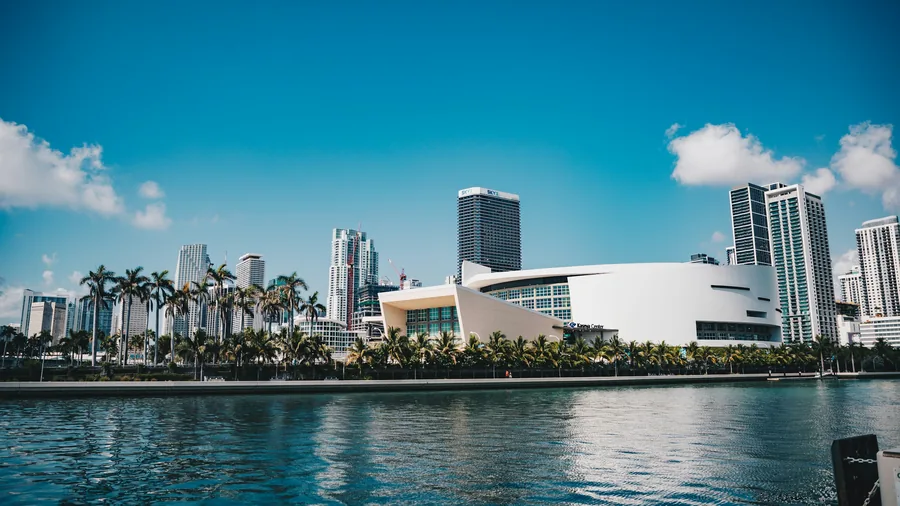
What rents in Downtown Miami?
Purpose-built rental towers are run by management companies with published fees, online applications and standard lease terms. The condominium towers along Biscayne Boulevard — Marquis, Vizcayne, 50 Biscayne and their neighbors — hold many investor-owned units, so one building can have many units for rent at once, each with its own owner, finishes and terms. That is where a flexible start date, an included parking space or a furnished unit can actually be negotiated.
High-rise condominiums and rental towers in three generations: the 2005–2009 boom on Biscayne Boulevard, the 2019–2024 wave around Museum Park, Miami Worldcenter and the river mouth, and newer towers built for short-term rental.
“Comply with the requirements of applicable building, housing, and health codes”
What a tenant pays beyond the rent
The advertised rent is rarely the number you need on signing day. Between the deposit, last month, application fees and a move-in deposit, a Miami tenant commonly needs several times the monthly rent available at once — and most of it is due before you hold keys.
| Cost | What it is | Typical timing |
|---|---|---|
| First month’s rent | Paid at signing, before you get keys | At lease signing |
| Security deposit | Held by the landlord under §83.49; commonly one month, sometimes more | At lease signing |
| Last month’s rent | Requested by many Miami landlords in addition to the deposit | At lease signing |
| Association application fee | Charged per adult where a condo or HOA screens tenants | With the application, usually non-refundable |
| Move-in / elevator deposit | Common in condominium towers; refundable if nothing is damaged | Before the move date |
| Renters insurance | Covers your belongings; the landlord’s policy does not | Before or at move-in, often required by the lease |
| Utility deposits and connection | Electricity, water and internet in your name | Before move-in |
General guidance for 2026, not a quote. Amounts vary by building and owner; Florida law governs how the deposit is held and returned.
“Upon the vacating of the premises for termination of the rental agreement, if the landlord does not intend to impose a claim on the security deposit, the landlord must return the security deposit, together with interest if otherwise required, within 15 days after the termination of the rental agreement.”
Association approval and lease rules
A rental tower screens you itself, usually with an income requirement and a credit check published up front, and can often decide within days. A condominium unit adds the association: an application per adult, a fee, sometimes an interview, then a move-in deposit and an elevator reservation before the furniture goes up. Ask which process applies before you set a move date.
Insurance, storms and what the landlord covers
Downtown sits on the bay, and the flood map follows the shoreline. The three public addresses we checked — the Stephen P. Clark Government Center, Bayfront Park and the Adrienne Arsht Center — all returned FEMA Zone AE, with base flood elevations of 9 to 12 feet, highest at the water (FEMA National Flood Hazard Layer, November 2026). In a tower the exposure is the garage and the ground floor, so ask how the building protects them and its electrical rooms.
As a tenant none of that is your premium to pay — but it is your risk to manage. The landlord insures the structure; your belongings are covered only by a renters policy, and flood damage to contents is usually a separate question again. Ask what the building does during a hurricane watch: shutters, garage closure, elevator shutdown and generator coverage vary widely.
Schools and getting around from Downtown Miami
- New World School of the Arts · magnet
- School for Advanced Studies-Wolfson · high
- Law Enforcement Officers Memorial High School · magnet
- I Preparatory Academy · magnet
- Downtown Miami Charter School · charter
- Frederick R. Douglass Elementary · elementary
- Booker T. Washington Senior High · high
- Miami International Airport · 6.8 miles
- Miami Beach · 5.4 miles
- Coral Gables · 6.4 miles
- Doral · 12.2 miles
- Fort Lauderdale (Brightline from MiamiCentral) · 28 miles
Renting out a property in Downtown Miami
Downtown owners compete with rental towers that advertise constantly and sometimes offer move-in concessions. A condo unit leases on what the towers cannot offer — a better view, a larger floor plan, parking included — and on an association that approves tenants quickly.
How to rent in Downtown Miami, step by step
- Work out the real up-front number from the table above before you start touring.
- Ask each listing who the landlord is — an owner or a leasing office — and what the approval process is.
- Tour, and check the air conditioning, water pressure, windows and any sign of past water intrusion.
- Apply, and budget the association fee per adult as non-refundable.
- Get the approval in writing before you give notice anywhere else.
- Read the lease — term, deposit, repairs, pets, parking — then sign and document the move-in condition with photographs.
Questions about renting in Downtown Miami
How much do I need up front to rent in Downtown Miami?
Plan for first month, a security deposit and often last month, plus an association application fee per adult where a condo or HOA screens tenants, and a refundable move-in deposit in many towers. The table on this page lists each one and when it is due.
When does a Florida landlord have to return my deposit?
Within 15 days of the end of the rental agreement if the landlord is not claiming any of it. If the landlord does intend to make a claim, Florida Statute 83.49(3)(a) requires written notice within 30 days, sent by certified mail to your last known address or by e-mail as the statute allows.
Who pays for repairs in a Florida rental?
Section 83.51 makes the landlord responsible for complying with applicable building, housing and health codes, and for maintaining structural elements such as roofs, windows, floors and plumbing in a single-family home or duplex unless the lease shifts specific items to you. Put every repair request in writing and keep a copy.
Do I need association approval to rent in Downtown Miami?
A rental tower screens you itself, usually with an income requirement and a credit check published up front, and can often decide within days. A condominium unit adds the association: an application per adult, a fee, sometimes an interview, then a move-in deposit and an elevator reservation before the furniture goes up. Ask which process applies before you set a move date.
Do I need renters insurance in Miami?
Your landlord’s policy covers the building, not your belongings, and in a condominium the association’s master policy covers even less of your unit. A renters policy is inexpensive and many Miami leases require it. If the building sits in a flood zone, ask whether contents flood coverage is separate.
Can I break a lease in Florida?
Only on the terms in your lease or on the narrow grounds Florida law provides — a lease is a contract for its full term. Some leases include an early termination clause with a stated fee. Read that clause before you sign, not when you need it.
Looking to rent in Downtown Miami?
Tell us the bedrooms, the budget, the move date and whether you have pets. We send what is actually available and tell you which buildings approve quickly — in English or Español.