

Miami Beach Apartments for Rent: South Beach walk-ups to North Beach towers
Miami Beach is three rental markets in one city: the Art Deco and mid-century walk-ups of South Beach, the condominium towers along West Avenue and Collins Avenue, and the garden-style buildings of North Beach and Normandy Isles. What the rent buys — parking, central air, an elevator, a building that approves you in days rather than weeks — changes block by block.
Updated November 2026
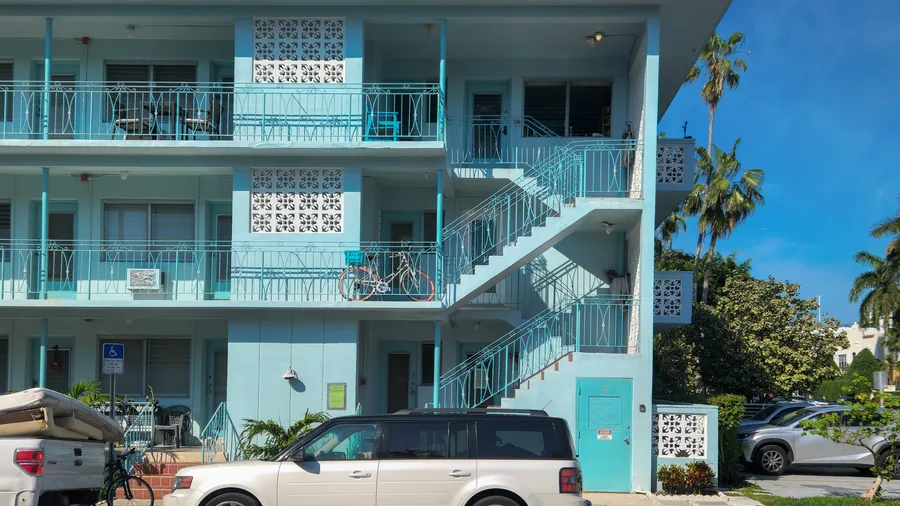
What rents in Miami Beach?
Most South Beach rentals are units in low-rise buildings from the 1930s through the 1960s, many inside the city’s historic districts: walkable, close to the beach, and often without assigned parking, central air or an elevator. The towers on West Avenue and along Collins are mostly individually owned condominiums, so the landlord is an owner and the association writes the rules. North Beach and Normandy Isles hold more of the older garden-style and mid-rise apartment buildings.
Mostly multifamily, about half in buildings of 50 or more units: 1930s Art Deco low-rises, mid-century North Beach blocks and towers built since 1995. Detached houses, about 9 percent of units, include the island homes of Palm, Star and La Gorce.
“Comply with the requirements of applicable building, housing, and health codes”
What a tenant pays beyond the rent
The advertised rent is rarely the number you need on signing day. Between the deposit, last month, application fees and a move-in deposit, a Miami tenant commonly needs several times the monthly rent available at once — and most of it is due before you hold keys.
| Cost | What it is | Typical timing |
|---|---|---|
| First month’s rent | Paid at signing, before you get keys | At lease signing |
| Security deposit | Held by the landlord under §83.49; commonly one month, sometimes more | At lease signing |
| Last month’s rent | Requested by many Miami landlords in addition to the deposit | At lease signing |
| Association application fee | Charged per adult where a condo or HOA screens tenants | With the application, usually non-refundable |
| Move-in / elevator deposit | Common in condominium towers; refundable if nothing is damaged | Before the move date |
| Renters insurance | Covers your belongings; the landlord’s policy does not | Before or at move-in, often required by the lease |
| Utility deposits and connection | Electricity, water and internet in your name | Before move-in |
General guidance for 2026, not a quote. Amounts vary by building and owner; Florida law governs how the deposit is held and returned.
“Upon the vacating of the premises for termination of the rental agreement, if the landlord does not intend to impose a claim on the security deposit, the landlord must return the security deposit, together with interest if otherwise required, within 15 days after the termination of the rental agreement.”
Association approval and lease rules
Two layers of rules apply. The city prohibits rentals shorter than six months and one day in all single-family homes and in many multifamily buildings, depending on the zoning district, so most legal rentals here are long-term leases. On top of that, condominium towers screen tenants through the association, with an application, a background check and a fee, and many set a minimum lease term of their own. Ask about both before you plan a move date.
Source: City of Miami Beach: vacation and short-term rentals
Insurance, storms and what the landlord covers
Miami Beach sits on a barrier island and a string of smaller islands in the bay, and flood risk comes with every lease here. All four public addresses we checked, from City Hall in South Beach to North Shore Park, sit in FEMA Zone AE with an 8-foot base flood elevation (FEMA National Flood Hazard Layer, November 2026). Ground floors, garages and storage rooms are where water arrives first, so ask how the building protects them.
As a tenant none of that is your premium to pay — but it is your risk to manage. The landlord insures the structure; your belongings are covered only by a renters policy, and flood damage to contents is usually a separate question again. Ask what the building does during a hurricane watch: shutters, garage closure, elevator shutdown and generator coverage vary widely.
Schools and getting around from Miami Beach
- Miami Beach South Pointe Elementary School · elementary
- North Beach Elementary School · elementary
- Biscayne Beach Elementary School · elementary
- Miami Beach Fienberg/Fisher K-8 · k8
- Miami Beach Nautilus Middle School · middle
- Miami Beach Senior High School · high
- St. Patrick Catholic School · private
- Downtown Miami · 6 miles
- Miami International Airport · 12 miles
- Aventura · 13 miles
- Doral · 19 miles
- Fort Lauderdale · 31 miles
Renting out a property in Miami Beach
If you own in Miami Beach, the short-term rental rules usually settle the strategy: where the zoning prohibits stays under six months and a day, the legal path is a long-term lease. We check the building’s zoning district, the association’s leasing rules and recent closed leases in the same building before we set a price.
How to rent in Miami Beach, step by step
- Work out the real up-front number from the table above before you start touring.
- Ask each listing who the landlord is — an owner or a leasing office — and what the approval process is.
- Tour, and check the air conditioning, water pressure, windows and any sign of past water intrusion.
- Apply, and budget the association fee per adult as non-refundable.
- Get the approval in writing before you give notice anywhere else.
- Read the lease — term, deposit, repairs, pets, parking — then sign and document the move-in condition with photographs.
Questions about renting in Miami Beach
How much do I need up front to rent in Miami Beach?
Plan for first month, a security deposit and often last month, plus an association application fee per adult where a condo or HOA screens tenants, and a refundable move-in deposit in many towers. The table on this page lists each one and when it is due.
When does a Florida landlord have to return my deposit?
Within 15 days of the end of the rental agreement if the landlord is not claiming any of it. If the landlord does intend to make a claim, Florida Statute 83.49(3)(a) requires written notice within 30 days, sent by certified mail to your last known address or by e-mail as the statute allows.
Who pays for repairs in a Florida rental?
Section 83.51 makes the landlord responsible for complying with applicable building, housing and health codes, and for maintaining structural elements such as roofs, windows, floors and plumbing in a single-family home or duplex unless the lease shifts specific items to you. Put every repair request in writing and keep a copy.
Do I need association approval to rent in Miami Beach?
Two layers of rules apply. The city prohibits rentals shorter than six months and one day in all single-family homes and in many multifamily buildings, depending on the zoning district, so most legal rentals here are long-term leases. On top of that, condominium towers screen tenants through the association, with an application, a background check and a fee, and many set a minimum lease term of their own.
Do I need renters insurance in Miami?
Your landlord’s policy covers the building, not your belongings, and in a condominium the association’s master policy covers even less of your unit. A renters policy is inexpensive and many Miami leases require it. If the building sits in a flood zone, ask whether contents flood coverage is separate.
Can I break a lease in Florida?
Only on the terms in your lease or on the narrow grounds Florida law provides — a lease is a contract for its full term. Some leases include an early termination clause with a stated fee. Read that clause before you sign, not when you need it.
Looking to rent in Miami Beach?
Tell us the bedrooms, the budget, the move date and whether you have pets. We send what is actually available and tell you which buildings approve quickly — in English or Español.